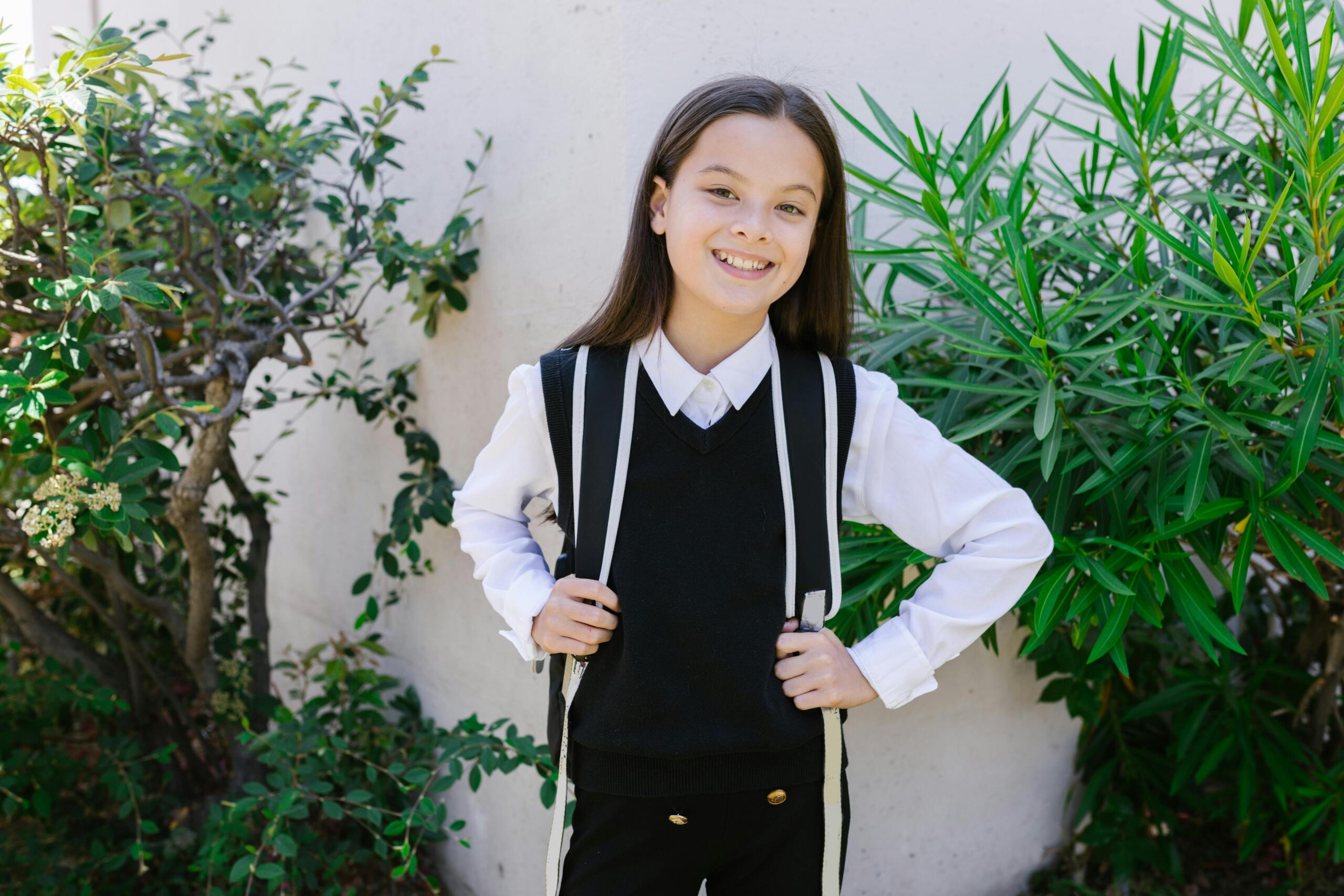

There’s something undeniably special about a child’s first day of school. As parent, it’s the moment your child takes one of their biggest emotional and developmental steps into a new world of discovery, friendship, and learning. If you want to support them in starting a new school, then this article is for you.


When Does School Start?
For families across South Africa, the school year begins on Wednesday, 14 January, as confirmed by the Department of Basic Education. Whether your child is attending a school in Cape Town’s southern suburbs, in the leafy streets of Durban North, or one of Johannesburg’s bustling neighbourhoods like Randburg or Midrand, the buzz of starting school for the first time will be in the air all across the country.
Like most things in life, it helps to plan early. School readiness isn’t just about ticking off stationery lists, it’s about helping your child feel emotionally, physically, and mentally prepared for their first year of school.
School Readiness: Building a Confident Start
When starting school for the first time, remember that every child adjusts differently. Some skip happily into the classroom, while others will cling tightly to their parent’s hand. While both reactions are perfectly normal, remember that emotional readiness is the foundation for learning. Talk openly with your child about what to expect in terms of new friends, teachers, routines and even playtime. Also, remember that reassurance is the best way to handle any separation anxiety, which is quite common especially during those first few mornings.
Let’s look at how to create school readiness. For instance, did you know that encouraging independence is one of the best gifts you can give? Let your child practise small responsibilities at home, such as packing their lunchbox or choosing their outfit the night before. The Thuthuka Bursary Fund’s School Readiness Checklist also offers excellent insight into what helps children thrive emotionally and socially in their early school years. Next, remember that confidence grows from familiarity, so, if possible, visit the campus before the first day of school so your child can see their classroom, meet their teacher, and feel comfortable in the space.
Physical readiness is equally important. Fine motor skills, like holding a pencil, cutting with scissors, or buttoning a shirt, are developed through play. Also, encourage activities that build coordination like painting, playing with blocks, hopping, climbing, or even pouring water during bath time. These simple activities strengthen the muscles and control needed for classroom tasks.
Of course, cognitive readiness helps learners focus and participate fully. Being able to count, recognise letters, and follow instructions makes the transition smoother. Remember, learning at this age should be playful. Singing counting songs, reading picture books, and asking your child to describe what they see will spark curiosity and language growth.
Parental Involvement: Your Role Matters
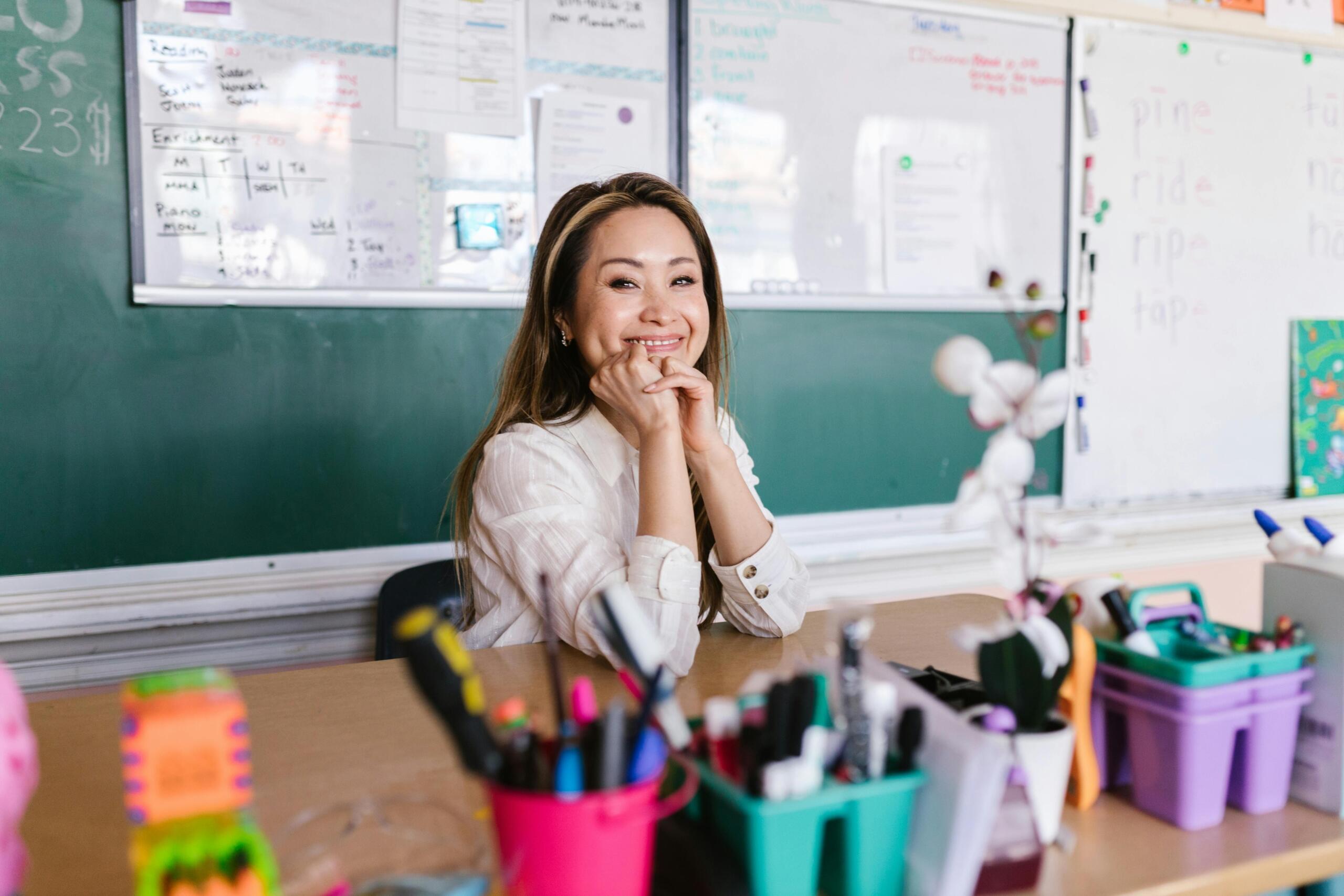
As a parent, you’re your child’s first and most influential teacher. Establishing a daily routine before starting school for the first time helps set a calm rhythm. Bedtimes should allow for enough rest, and mornings should leave room for a few extra minutes of cuddles before heading out the door. Children feel secure when they know what to expect especially for the first year of school.
The power of reading together daily to build vocabulary and imagination cannot be understated. Did you know that even ten minutes a day can boost your child’s comprehension skills?
Create a small, inviting learning space at home. This could include a table for drawing, a shelf for books, or a quiet corner for homework. It doesn’t need to be fancy; it simply needs to be a place where your child knows that learning is valued in your home.
The Role of Tutors in Early Learning
Sometimes, extra support from a tutor can make the journey of starting a new school easier. For instance, foundation phase tutors who specialise in literacy and numeracy, help children strengthen the basics while keeping learning fun and engaging. A tutor can help a Grade R learner recognise letters and sounds or assist a Grade 1 learner who’s struggling with number patterns or reading fluency.
Platforms like Superprof make it easy to find trusted local tutors who understand the South African curriculum. Whether you prefer in-person sessions in Pretoria East or online lessons from the comfort of your home, there’s someone available who can guide your child through those early weeks or first year of school. Remember that private tutoring at this stage isn’t about pressure, it’s about confidence. When children feel supported, they’re more willing to explore, ask questions, and enjoy learning.
Helping Your Child Adjust Emotionally
The emotional side of the first day of school often surprises parents. Even if your child has attended preschool, the structure of formal education and starting a new school is significant. Don’t underestimate that new routines, uniforms, and expectations can also feel overwhelming. It’s important to reassure your child that it’s normal to feel nervous. You could even share your own stories about when you first started school.
Teachers play a huge role in helping children adjust. Many schools, organise fun ice-breaker activities in the first week to help learners settle in, while some even invite parents to attend the first morning assembly or a “meet the teacher” day. Participating in these moments will build a sense of trust and belonging.
If you notice persistent anxiety or reluctance after the first few weeks, remember that gentle encouragement helps more than pressure. Celebrate small wins like the first smile at drop-off, or the first drawing proudly shown after school. These milestones are signs that your child is beginning to adapt.
Connecting to a Bigger Learning Journey
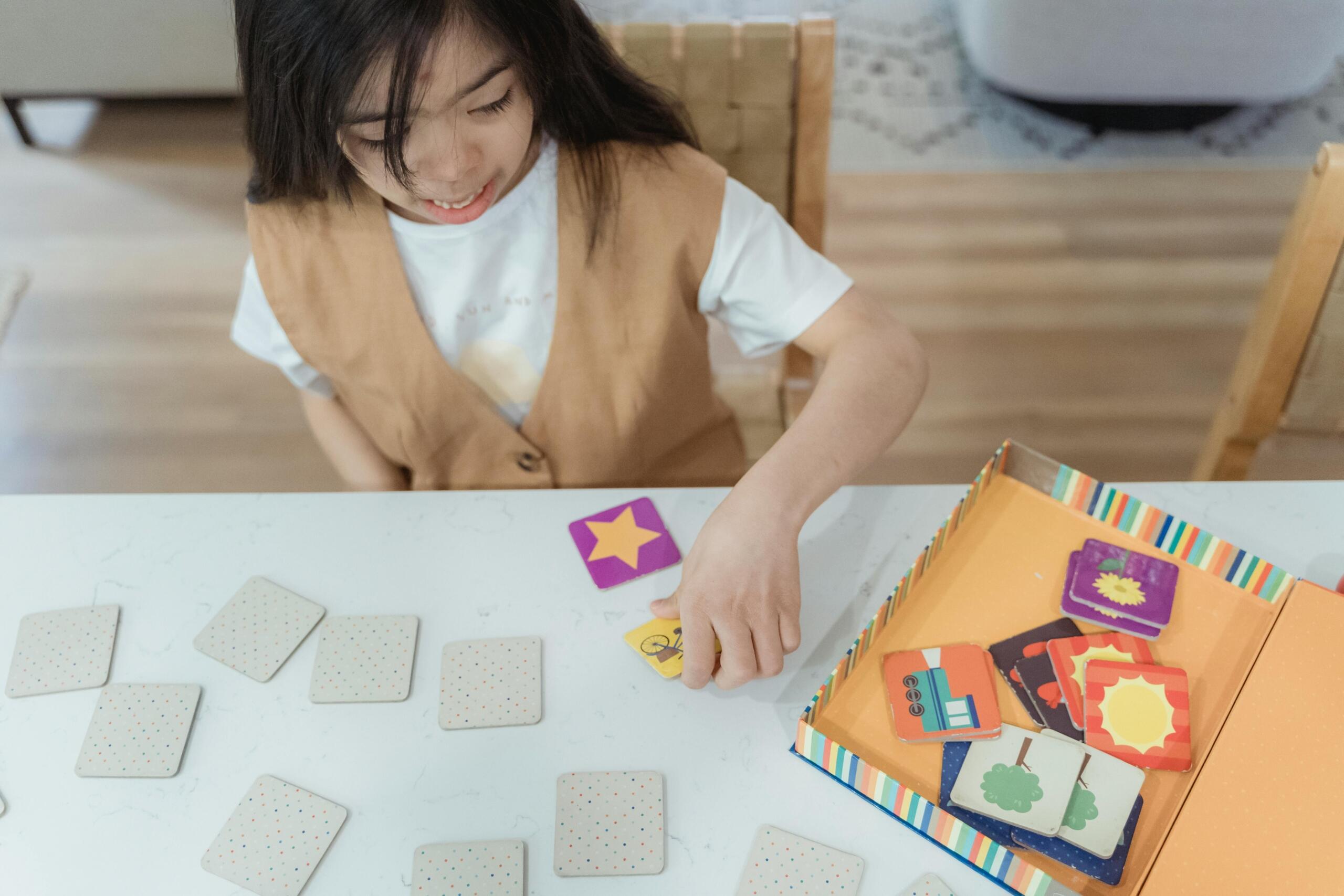
As your child progresses through their first year of school, every term will bring new achievements. From learning to write their name to counting to one hundred, the pride they feel fuels their love for learning. This journey connects naturally to other important phases that lie ahead.
As your child progresses through their first year of school, every term will bring new achievements. From learning to write their name to counting to one hundred, the pride they feel fuels their love for learning. This journey connects naturally to other important phases that lie ahead.
If your child is likely to move schools later, it’s worth reading our related guide How to Cope With Changing Schools which shares strategies for building resilience and confidence during transitions.
Eventually, your child’s school will inevitably lead to matric! You'll then find our article which discusses how to balance workload, well-being, and preparation in the final demanding year helpful. And for parents wanting to understand how school terms, holidays and exams fit together, Understanding the 2026 South African Academic Year gives a simple breakdown of how the Department of Basic Education structures learning time throughout the year.
The Practical Side of Preparation
Before the first day of school arrives, make sure the basics are in place. Double-check your school’s stationery list, which is often shared by November or December. Many parents find it helpful to shop early, especially since stores like CNA, PNA and Checkers run “Back to School” specials in early January.
Uniforms are another priority. Children grow quickly over the summer holidays, so remember to check that everything fits comfortably. Label every item clearly, a lost jersey, jersey, hat, or water bottle on the first day of school is a rite of passage for most families, but a name tag helps it find its way home.
Add health and wellness to your preparation list and schedule any medical check-ups, like dental appointments, before the term begins. Of course, a balanced diet, early bedtime and a predictable morning routine all contribute to smoother days and happy children. If you’d like more detailed advice, Term 1 2026: School Readiness Checklist covers these practical preparations in depth.
Looking Ahead With Confidence
For parents as much as for children, every first year of school brings its share of surprises, joys and learning curves. Take photographs, share laughs, and remind yourself that the bumps along the way are part of the process.
By supporting your child emotionally, establishing good habits and reaching out for extra help when needed, you’re giving them a powerful start.
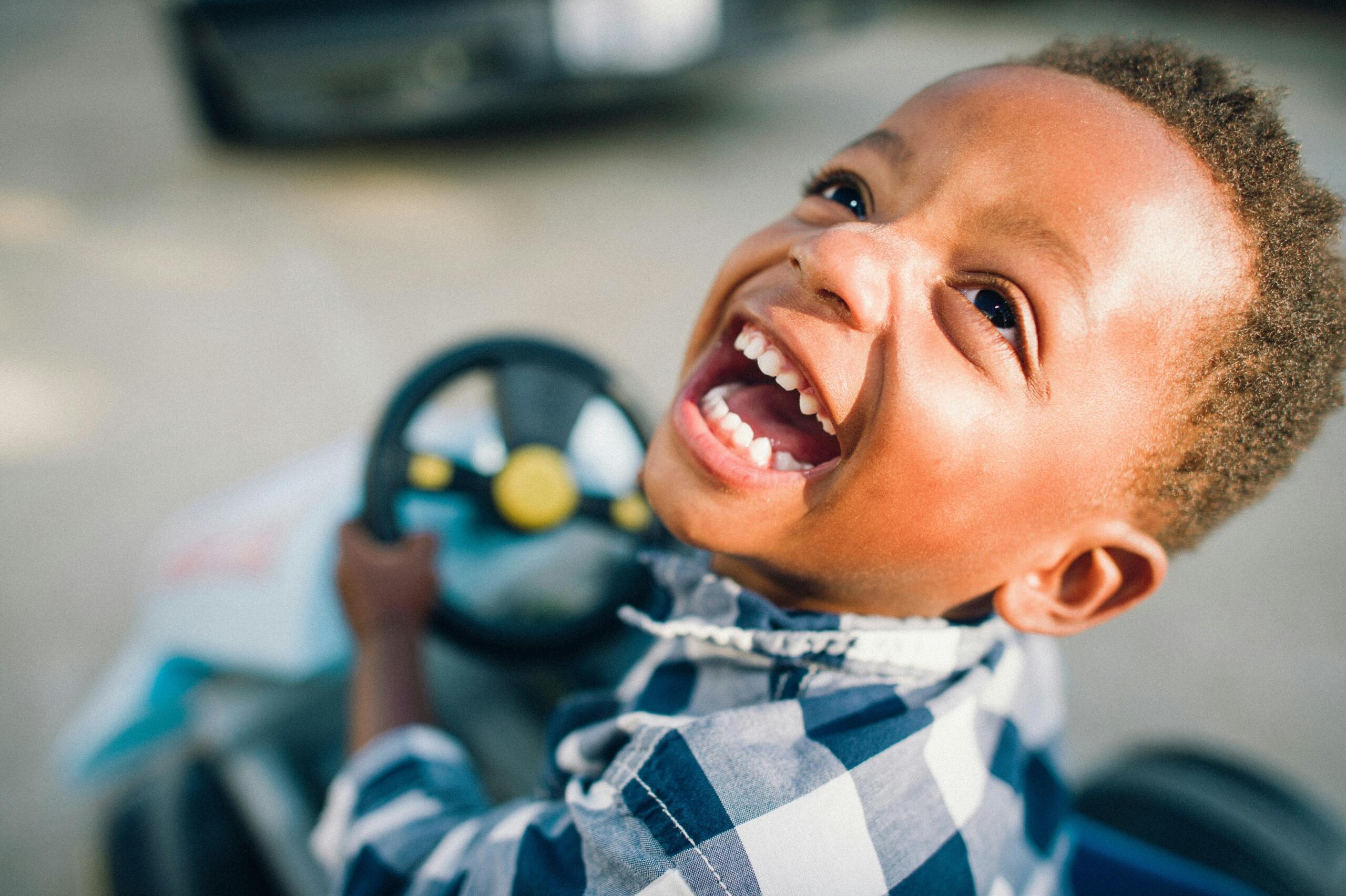
Try to see the simple beauty of starting school for the first time. It’s about walking hand in hand through a new doorway, both of you learning as you go. Enjoy the excitement, nerves, and pride as everything comes together in one unforgettable chapter of childhood.
Whether your family lives in the heart of Pretoria or a small town like George or Mthatha, the same recipe of love, patience and preparation will give you a sweet result.
Making Memories That Last
As the 2026 school year unfolds, remember that every story starts somewhere. For your child, the first day of school is that beginning so take a deep breath, snap that photo at the gate, and wave with a smile.
Through early preparation, nurturing guidance, and the right support systems, you’ll help your child’s confidence bloom. By the time the first term ends in March, you’ll look back and realise just how far they’ve come since starting a new school.
Summarise with AI:
Enjoyed this article? Leave a rating!

 Loading...