
Starting your hockey journey can be both exciting and challenging. To help you navigate it with confidence, we’ve put together this guide which covers all the key aspects of the game. So, let’s explore hockey’s basic rules, the equipment you’ll need on the field, how to boost your hockey skills and how to cope with any challenges you might face.


Hockey’s Rules Explained
Before learning hockey tactics, it’s essential to understand the basic rules which govern how the game is played.
Like with any other sport, the rules exist to provide structure to the game, and also to ensure safety and fair play.
So, read on before you run onto the field, which incidentally is 91.4 metres long and 55 metres wide.
The Intention of Play
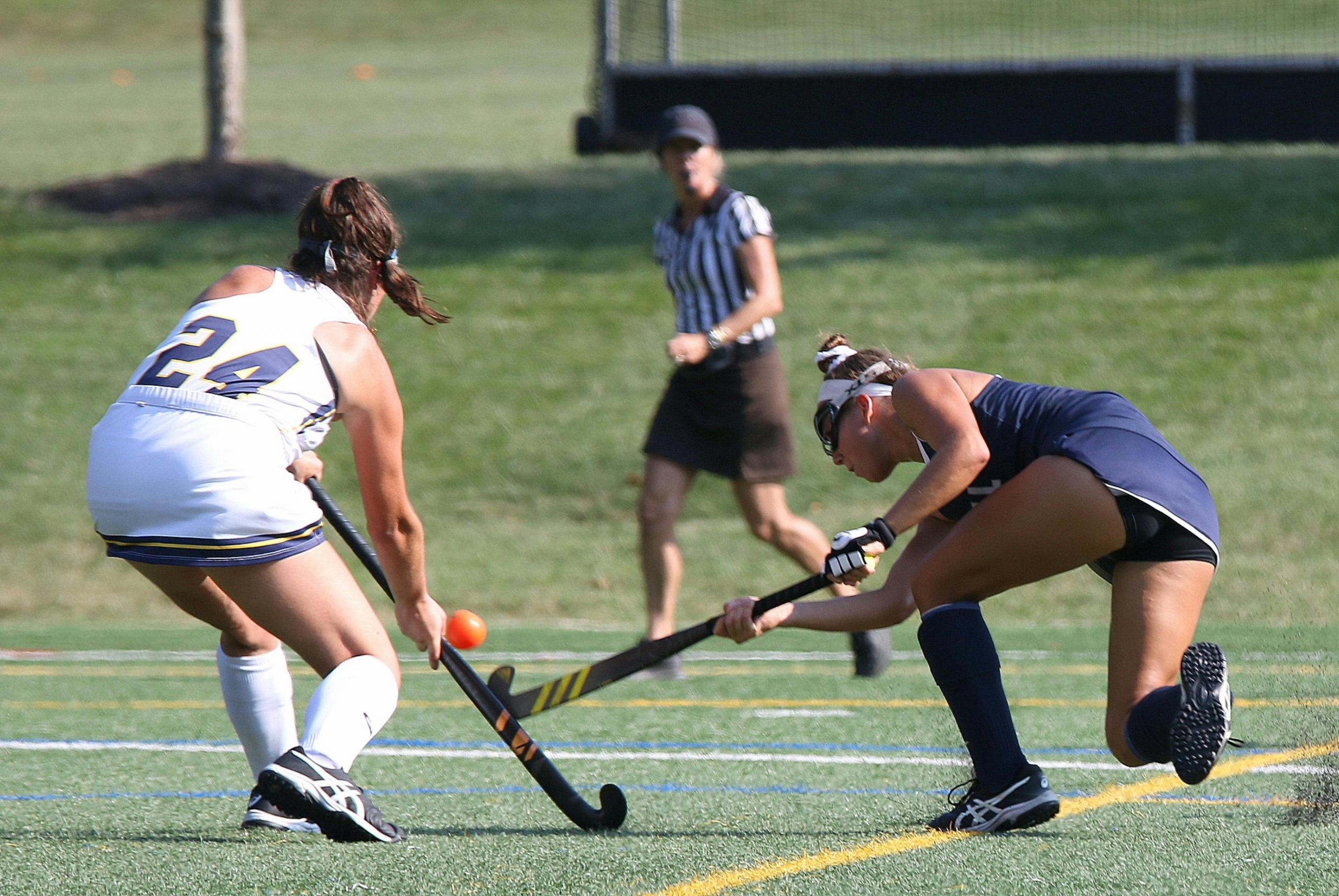
Each of the two teams in a game of hockey aims to score goals by hitting the hockey ball into the opponent’s goal. A hockey match consists of four 15-minute quarters, and the team who has the most goals at the end wins.
Players and Positions
Each hockey team consists of 11 players. These players take different positions in the pitch, such as forwards, midfielders, defenders, and goalkeepers. Each position carries specific responsibilities and has certain restrictions they must adhere to.
The Fundamental Rules of the Game
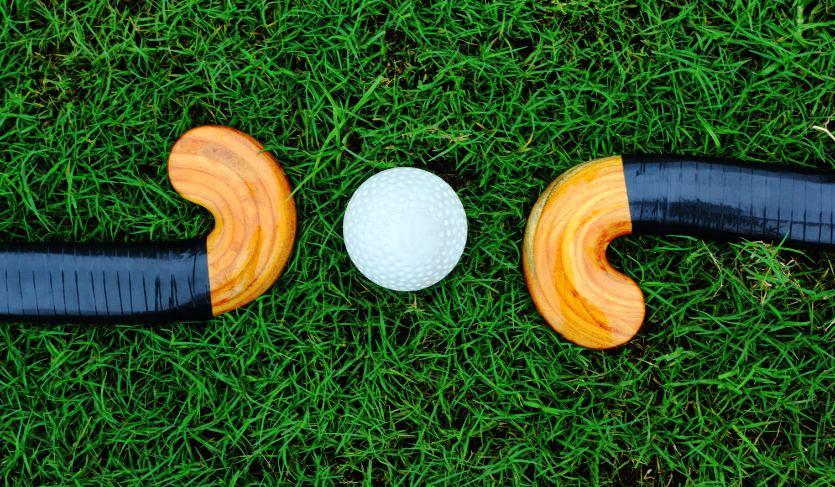
Players can only use the flat side of their hockey sticks to stop, hit or push the ball. It is considered a rules violation to use the rounded side of the stick.
Hockey players are not allowed to use their feet or any other part of their bodies to control the ball. The only exception is the goalkeeper when he or she is within the striking circle or the D.
Common fouls include blocking an opponent from reaching the hockey ball—know as an obstruction—and dangerous play, such as lifting the ball too high (i.e. close to knee-height or above) near other players. When a player commits a foul, the result is a free hit or penalty corner for the opposing team.
A goal is scored when the ball is hit into the goal from within the striking circle. If a shot is taken from outside the circle and it goes into the net, it is not considered a goal.
When a defensive team commits a foul within the circle, the attacking team will be awarded a penalty corner. During a penalty corner, only five defenders from the defending team, including the goalkeeper, are allowed behind the goal line.
By grasping these basic rules, you’ll gain a clearer understanding of how a game of hockey flows and be better equipped to do well on the pitch.
Essential Equipment and Protective Gear
Were you aware that hockey requires specialised equipment to ensure players’ safety and enhance performance?
Having the correct gear will help you play in confidence and protect you from injuries which could easily occur in such a fast-paced game.
Hockey Stick
Your stick is the most important piece of hockey equipment you’ll need, and selecting the right one can have a significant impact on your game.
Hockey sticks come in various sizes, materials and weights, so it’s important to choose one that feels comfortable to manoeuvre. As a general rule, the top of the hockey stick should reach your hip bone. Most hockey sticks are made from wood, fibreglass, or composite materials, and each of these materials offers different levels of power and control.
Mouthguard
A mouthguard is an essential piece of protective gear, which will protect your mouth, teeth and jaw during impact.
Remember, both hockey sticks and balls can fly unpredictably!
You will need to choose between a custom-fit mouthguard or a boil-and-bite mouthguard. Custom mouthguards offer the best protection, but boil-and-bite mouthguards are still effective, and more affordable.
Shin Guards
Shin guards are vital for protecting your legs from strikes with hockey sticks and the ball. You’ll find that hockey shin guards are much thicker and more padded than the used in soccer because they need to provide protection against harder hits.
Protective Gloves
Gloves will help shield your hands from the impact of the hockey ball and stick.
Cleated Hockey Shoes
Hockey is played on various surfaces, including grass and astroturf, and each surface requires different footwear. It’s important to choose the right shoes for the type of pitch you are playing on, as your shoes will affect traction and stability.
Specialised Goalkeeper Gear
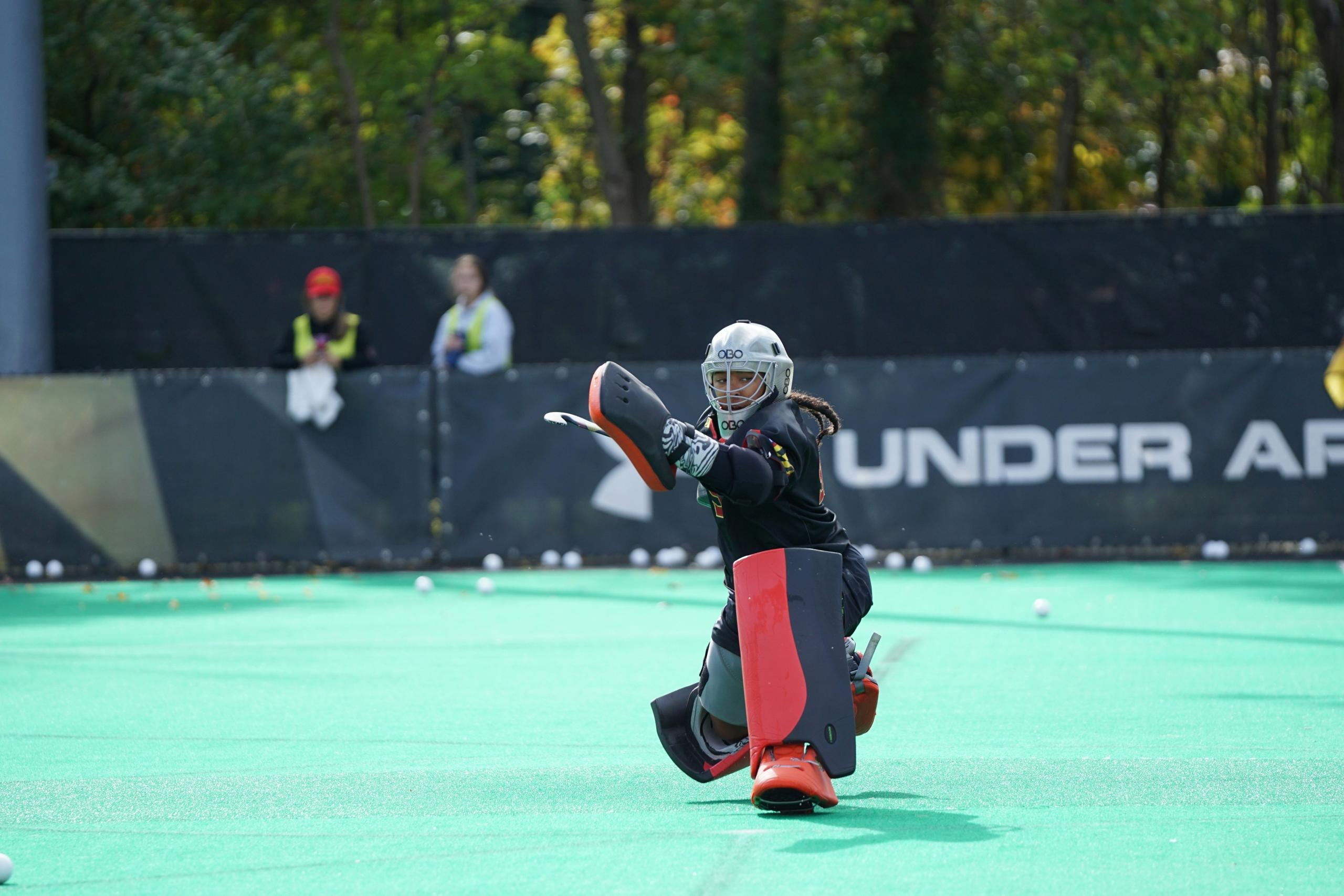
Because goalkeepers face high-speed shots, they require specialised equipment, such as chest protectors, helmets, kickers, and leg guards. Protective gear for goalkeepers is designed to provide maximum safety while allowing for mobility during play.
Whatever position you play on your hockey team, your overall experience—and perhaps even your confidence— will be enhanced if you wear the right protective equipment.
Developing Your Hockey Skills
To become a good hockey player, you’ll need to master certain essential skills. Below we’ll discuss the building blocks of every hockey player’s game.
Dribbling and Ball Control
Dribbling involves moving the ball down the field while maintaining control. A great way to work on your co-ordination and stick handling is by practising the Indian dribbling technique. Indian dribbling involves changing the ball from one side to the other, and you’ll need to focus on keeping the ball close to the stick while maintaining a low centre of gravity. As your confidence grows, you should increase your speed.
Passing and Receiving
Both passing and receiving are fundamental to team play in hockey.
The push pass is the most common technique used for passing short distances. To execute this move, you’ll need to place both your hands on your hockey stick, push the ball with the flat side of the stick, and then follow through with your body.
Then there’s the slap pass, which involves a harder hit. This one is used to cover longer distances.
When receiving the ball, you’ll need to cushion it with your stick to ensure it stays under control.
Shooting
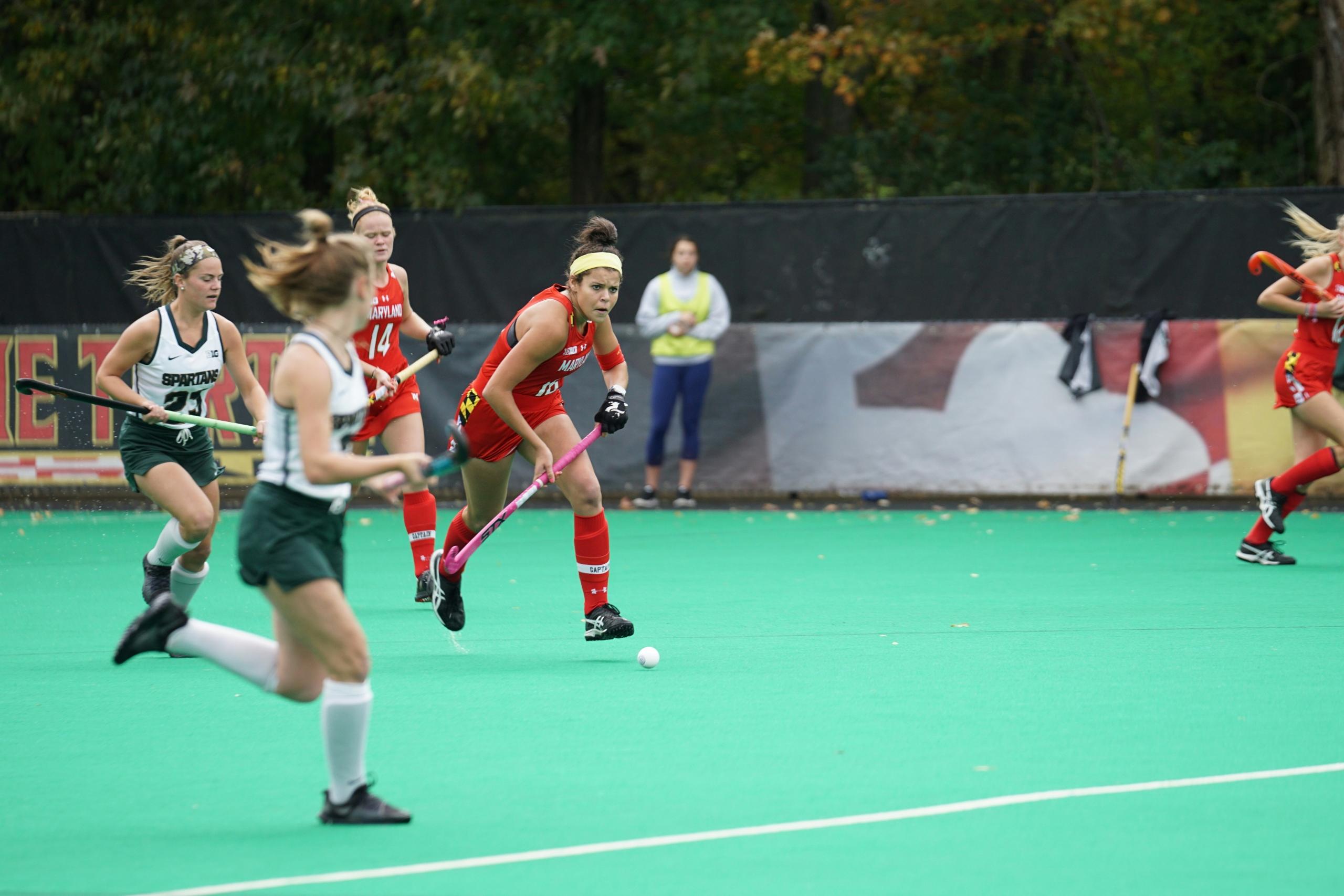
Shooting is one of the most exciting aspects of any hockey game. As a beginner, you’re encouraged to focus on the push shot and the slap shot for accuracy.
When shooting, you should try to keep your shots low.
This is because goalkeepers find it more challenging to defend low strikes.
Practise your goal shooting by aiming at different parts of the goal to improve your confidence and precision.
It will take time to develop your hockey skills, but if you are dedicated to your practice, you will improve.
Overcoming Challenges on the Hockey Field
As a beginner player, you will be faced with certain initial challenges, so here are some tips to overcoming the common hurdles:
Co-ordination and Stick Handling
Mastering your hockey stick can difficult for new players, because it requires dexterity and quick decision-making. However, you can improve by focusing on basic drills such as:
Practising Indian dribbling
Weaving through cones
Dribbling in straight lines
Try not to look down at the ball as you perform these exercises, as this will help you become more aware of the game, leading to improved reactions.
Finding Your Confidence
It’s normal to struggle with confidence as a beginner, especially if your teammates are more experienced.
The key to gaining confidence is consistency.
Set yourself small, achievable goals, such as maintaining ball control for longer periods of time or improving your passing accuracy.
It’s equally important to acknowledge and celebrate your progress, rather than comparing yourself to others.
Every lost ball, poor shot, or missed pass is an opportunity to improve.
With regular practice your skill level will increase and so will your confidence.
Adapting to the High Speed of the Game
Hockey is a fast-paced sport, and many beginners can find this overwhelming at first.
To make the adjustment easier, try working on drills that will boost your reaction time and decision-making. It might also be helpful to shadow more experienced players during practice sessions, as you can learn about positioning and anticipating plays this way.
Although hockey is an exciting sport, it requires beginners to be dedicated to their practice before they show improvements.
The best advice we can give is that you embrace the learning process, enjoy the game, and celebrate each milestone on your journey to becoming a skilled hockey player.
Summarise with AI:
Enjoyed this article? Leave a rating!

 Loading...