
If you're a newly licensed swimming instructor or teacher in South Africa, planning lessons can seem overwhelming at first. While your swim instructor course might have touched on various swimming lesson ideas, the real challenge begins when you begin creating lesson plans for swimming.
Remember that when teaching swimming, lesson plans are essential to ensure the structure, order and success of your class. It also helps everyone to enjoy their time in the water. For additional inspiration, check out swimming lessons near me.
If you are at this stage, this article is for you. Keep reading and find out how to develop a lesson plan for swimming.


Getting to Know Your Participants
Firstly, when developing teaching swimming lesson plans, your first goal should be to know your participants because successful swimming lesson ideas are tailored to the needs of the participants. Here are a few seemingly obvious but important factors to consider when creating swimming lesson plans:
Age
The age of your students will significantly influence how you teach them. For instance, younger children require engaging and fun lessons, whereas adults might prefer a more structured approach. When creating a lesson plan for swimming, it's important to adapt your teaching style and activities to the age group with whom you are working. For example, children might enjoy games and songs, while adults appreciate clear, concise instructions.
Skill Level
Understanding the skill level of your students is crucial for their safety and progress. Assessing their abilities in the first session will help when creating lesson plans for swimming. For beginners, you would focus on basic skills like floating and kicking, however more advanced swimmers will need to learn techniques for strokes and turns. Your lesson plan for swimming should always align with the student's current abilities and goals.
Fitness
Fitness levels can vary widely among swimmers. Some may be strong but lack endurance, while others might have the opposite issue. When creating swimming lesson plans ensure that the activities are suitable for the fitness levels of your students. After that, you could gradually increase the intensity which will help to build their stamina and strength over time.
Mentality
This may be less obvious, but understanding the mentality and motivations of your students is also essential. Some may be eager to learn competitive swimming techniques, while others might be overcoming a fear of water. When teaching swimming, lesson plans that carefully consider the psychological needs of your students will go a long way in helping to keep them motivated and engaged.
Setting Lesson Objectives
Once you understand your participants, you can set clear objectives for each lesson. These objectives will guide your teaching and ensure that your lessons are structured and purposeful. Try using the SMART criteria approach (Specific, Measurable, Achievable, Relevant, Time-bound) which can help in creating an effective lesson plan for swimming. Here’s what we mean:
Specific
Be clear about what you want your students to achieve. Instead of a vague goal like "improve swimming," set a specific objective such as "learn to swim 10 metres using freestyle."
Measurable
Ensure that you can measure the success of your objectives. For example, "swim 10 metres without stopping" is a measurable goal.
Achievable
Set realistic goals that your students can achieve within the lesson. You’ll notice that this will keep them motivated and build their confidence.
Relevant
Align your objectives with the reasons why your students are taking swimming lessons. If they want to swim for fitness, focus on endurance and technique. If they're learning for safety, then emphasise survival skills.
Time-bound
Each objective should have a timeframe, these could include completing a task by the end of the lesson, or within a month.
Planning Appropriate Activities
With your objectives in mind, you can start planning activities that will help your students achieve their goals. Here are some ideas for good teaching swimming lesson plans:
Warm-Up
Begin each lesson with a warm-up to prepare the students' muscles and prevent injuries. Activities can include light swimming, stretching, and basic drills.
Skill Development
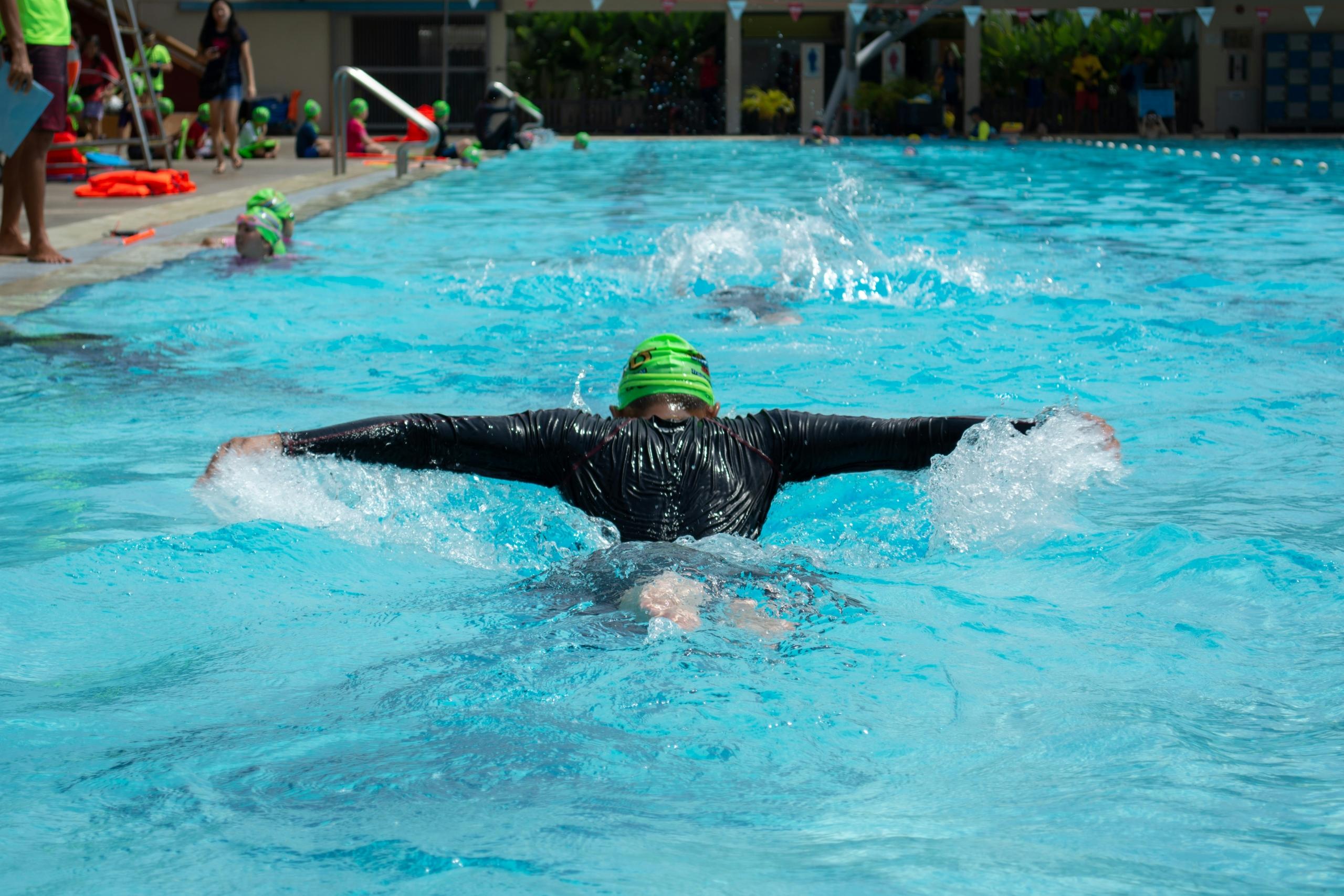
Focus on teaching new skills or refining existing ones. For beginners, this might involve basic movements like floating, kicking, and breathing techniques, while more advanced swimmers should work on improving stroke efficiency and speed.
Drills and Practice
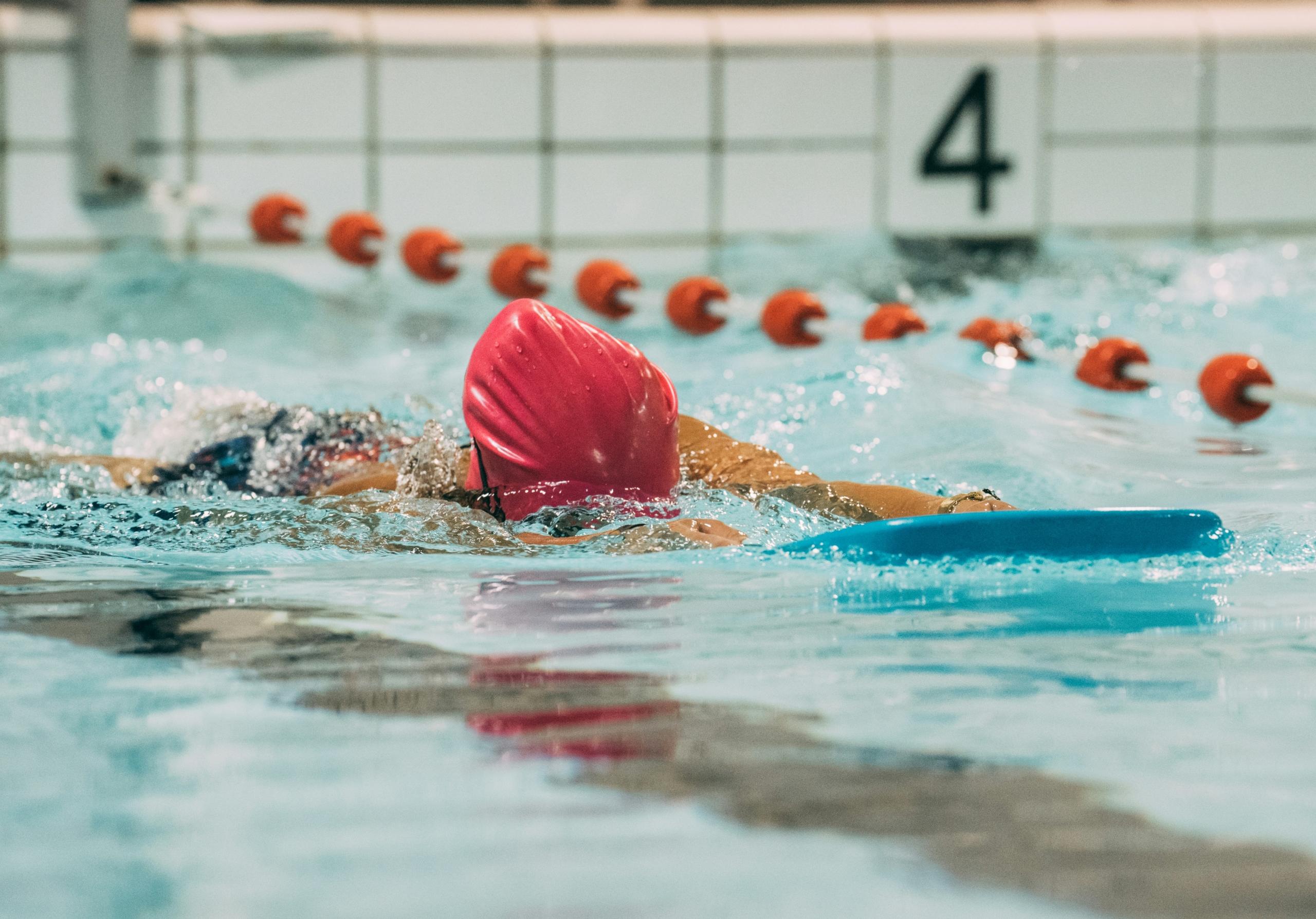
Incorporate drills that target specific skills. For example, practise kicking with a kickboard, or use flotation devices to focus on arm movements. Here, remember that repetition is key to mastering new techniques.
Cool-Down
End each lesson with a cool-down period to relax the muscles and prevent soreness. Gentle swimming and stretching are perfect for this phase.
Safety Considerations
Safety is paramount in every swimming lesson. Ensure that your students are aware of safety protocols and always supervise them closely. Your lesson plans should include safety checks, such as ensuring the pool area is free of hazards and that students are aware of emergency procedures.
Engaging Swimming Lesson Ideas
Ensuring the engagement of your students is crucial for both their learning and enjoyment. Here are some tips for creating an engaging lesson plan for swimming:
Variety
Keep your lessons interesting by varying the activities. Mix up the drills, introduce games, and use different equipment to keep things fresh.
Fun and Games
Incorporating games, especially for younger students can make learning to swim very enjoyable. Activities like relay races, treasure hunts, and water polo can teach skills while also keeping the lesson fun.
Positive Reinforcement
Encourage your students with positive feedback and celebrate their achievements and you will notice how this builds their confidence and motivates them to keep improving.
Adapting Lesson Plans
Having said all this, remember that every student is different, and you might need to adapt your lesson plans. Aim to be flexible and ready to adjust activities based on how your students are progressing. If you see that a particular drill isn't working, try a different approach or try breaking it down into simpler steps.
Create a Long-Term Lesson Plan for Swim Students
While each lesson should have its own objectives, it's also important to have long-term goals for your students too. Creating a series of lesson plans that build on each other can help your students to progress steadily over time. For example, a 10-week programme could start with basic skills that gradually introduces more advanced techniques. In major hubs such as Johannesburg, you might also consider reviewing swimming lessons in johannesburg to gain additional insights.
Sample Swimming Lesson Plan
Here's an example of a swimming lesson plan to get you started:
Lesson Objective: Learn to float on the back and front.
Warm-Up (10 minutes):
- Light swimming (2 laps)
- Stretching exercises
Skill Development (20 minutes):
- Demonstrate floating techniques
- Practise floating on the back with support
- Practise floating on the front with support
Drills and Practice (20 minutes):
- Floating without support (as comfortable)
- Floating while kicking gently
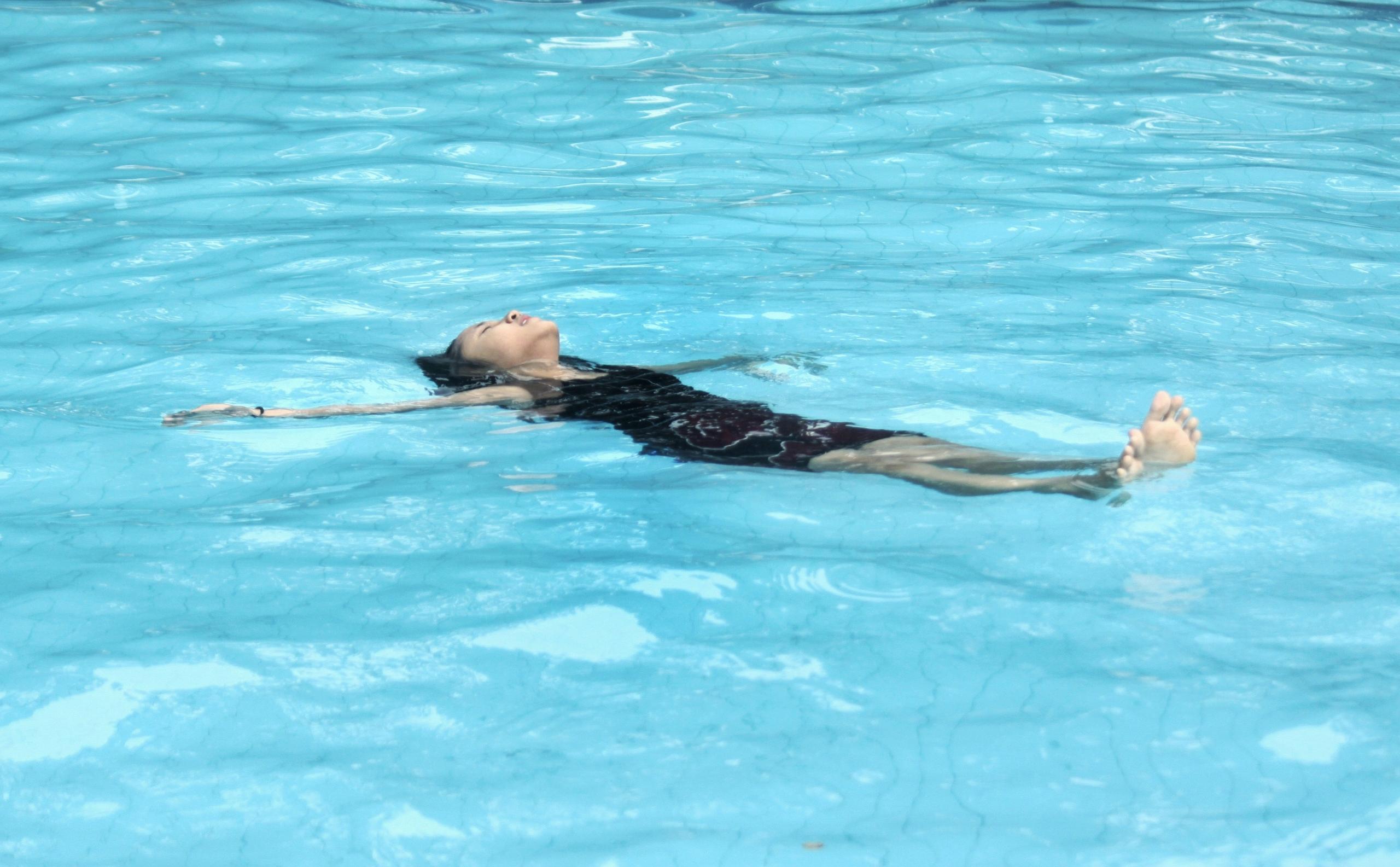
- Transitioning from floating on the front to floating on the back
Cool-Down (10 minutes):
- Gentle swimming (2 laps)
- Stretching exercises
Why Creating Swimming Lesson Plans is Vital
Finally, creating swimming lesson plans that are structured and effective are vital for every instructor. By understanding your students' needs, setting clear objectives, planning appropriate activities, and ensuring safety, you can provide valuable and enjoyable swimming lessons.
Remember that swimming lesson plans should be flexible too. In addition, when you keep learning and advancing as an instructor, it demonstrates that you are putting the needs of your students first. As you gain more experience, your ability to come up with engaging and effective swimming lesson ideas will become easier, making you a successful and confident swimming instructor.
Find out what you can expect to earn from a career teaching swimming.
Additional Resources
To further enhance your skills as a swimming instructor and to ensure that you have the necessary First Aid and CPR training, consider the following resources:
- Lifesaving South Africa: Offers comprehensive training programs and resources for swimming instructors.
- St John Ambulance South Africa: Provides First Aid and CPR certification courses.
- South African Swimming Teachers and Coaches Association (SASTCA): Offers professional development opportunities and resources for swimming teachers.
By using these resources and continuously improving on your swimming lesson ideas, you'll be well-equipped to provide high-quality swimming lessons while ensuring the safety and progress of your students at the same time.
Summarise with AI:
Enjoyed this article? Leave a rating!

 Loading...