

When we support Deaf and hard-of-hearing students, we step into a learning space shaped by visual connection, shared attention, and respect for identity. In South Africa, this journey is deeply tied to SA Sign Language, a language that carries culture, history, and meaning for thousands of learners across the country. From schools for the Deaf in Gauteng and the Western Cape to inclusive classrooms in neighbourhood schools, Deaf learners rely on tutors who are willing to learn Sign Language to help them shape their academic success.
Deafness is not a disability. It is a culture.
Unknown
Since South African Sign Language was officially recognised as a national language of South Africa, private tutoring has taken on new significance. When you learn Sign Language, you are no longer simply offering support on the margins. Instead, you are participating in a national commitment to accessibility, dignity, and inclusion for a community that deserves equal opportunity. By understanding how Deaf learners engage with content, you are able to teach in ways that honours their strengths rather than highlighting barriers.


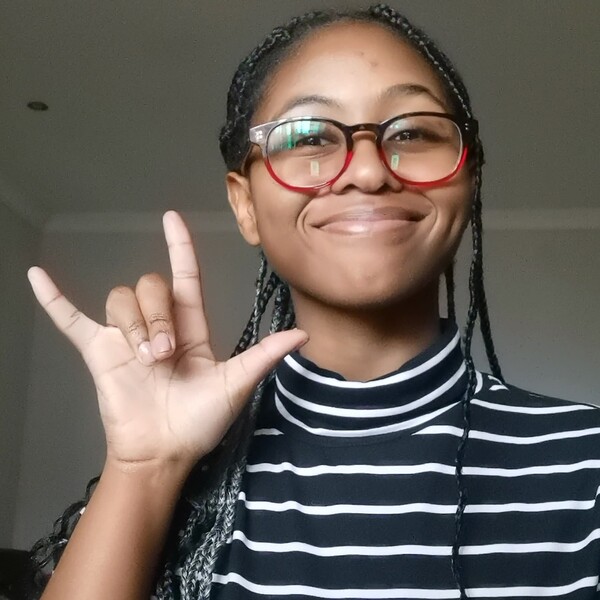


Learn Sign Language to Understand Deaf Culture and SASL Basics
Before focusing on techniques or tools, bear in mind that it helps to understand Deaf culture itself. First, remember that Deaf learners are not defined by what they cannot hear. Rather, they are part of a linguistic and cultural community that communicates visually and spatially.
When you approach learning Sign Language, you are also learning to slow down, make eye contact, and communicate with your whole body. In Sign Language, facial expression, body positioning, and movement all carry crucial meaning. This can feel unfamiliar at first, especially if you are used to speech driven teaching, but it quickly becomes intuitive once you allow yourself to learn visually.
Supporting students by using SA Sign Language has become an increasingly important topic in South Africa since SASL became the 12th national language of South Africa. To find out more about it in an overall national curriculum context, explore our other article, which explains how SASL is structured as a school subject and assessed within CAPS.
Working With Interpreters and Deaf Tutors
Whether you decide to learn Sign Language yourself or not, remember that in certain tutoring environments, you may work alongside a qualified Sign Language interpreter or a Deaf tutor. In these instances, collaboration is essential. The interpreter’s role is to convey meaning accurately, not to simplify content or manage behaviour. Not only that, during a session you should always speak directly to the learner, maintain eye contact, and then allow natural pauses for interpretation.
Deaf tutors bring lived experience that is invaluable. When you partner with them, you gain insight into effective explanations, culturally appropriate examples, and the rhythm of visual learning. This shared approach can greatly strengthen your tutoring practice while demonstrating respect for anyone in the Deaf community.
If you are serious about learning Sign Language, be sure to check out the article in this series which explores how SA Sign Language fits in to the country’s multilingual identity.
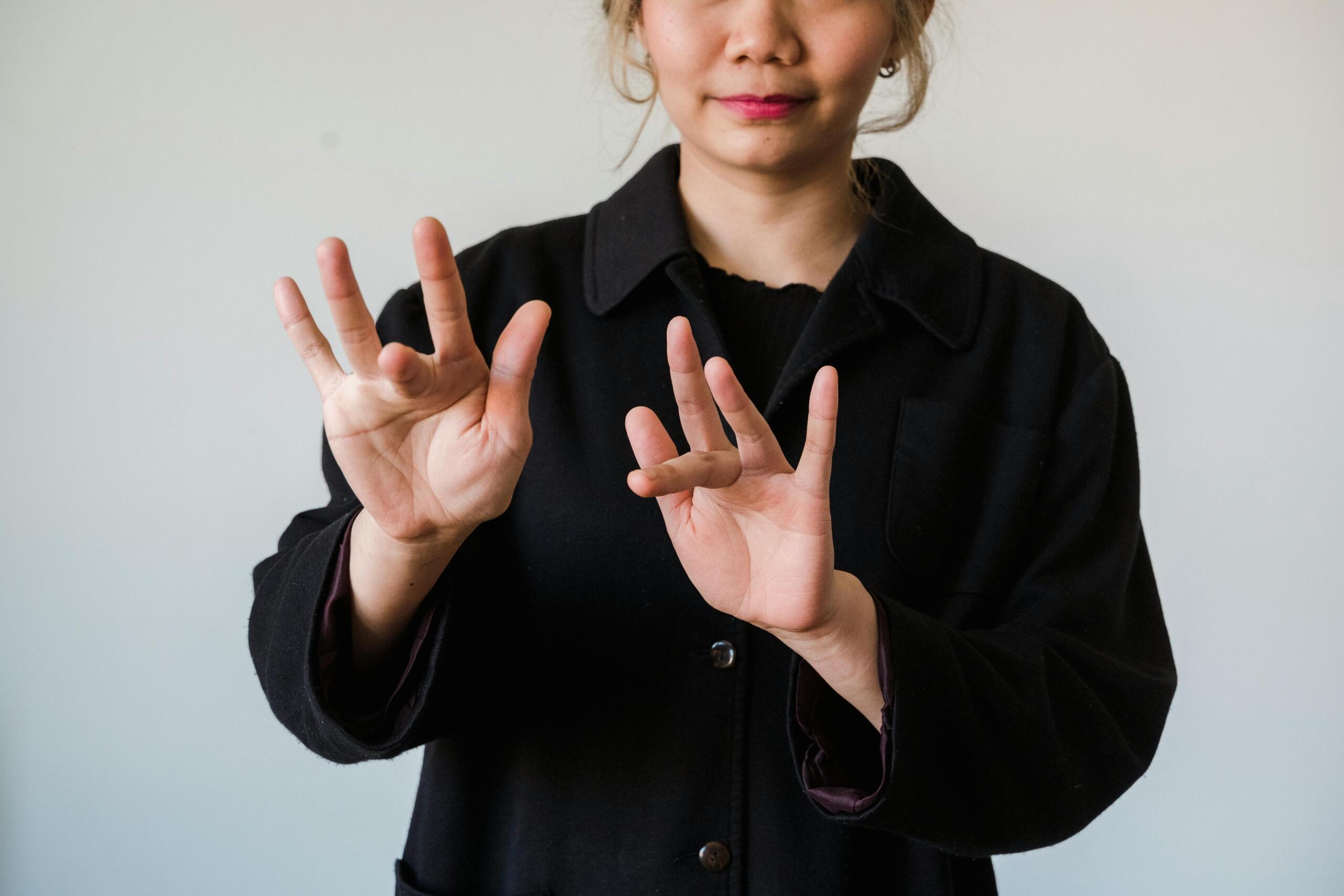
Inclusive Tutoring Strategies That Work
Remember that visual structure is key, these include clear diagrams, written keywords, and step by step demonstrations help anchor understanding. When you speak, slower pacing allows interpretation to flow smoothly and gives learners time to process.
In addition, captioned videos, sign-supported explanations, and sign integrated materials make lessons even more accessible. Many tutors find that learning South African Sign Language, even at a basic level, transforms their sessions. These could be simple greetings, subject specific signs, or classroom phrases that build trust and reduce dependence on interpretation.
As you continue learning Sign Language, you may notice that your explanations become clearer for all students and not only Deaf learners.
Why?
Because visual teaching benefits everyone.
Subject Specific Support in Practice

SA Sign Language is not a signed version of spoken English or Afrikaans. It is a complete, natural language with its own grammar, syntax, and expressive depth.
Adapting content for Deaf learners does not mean changing what you teach. It means changing how you teach it.
In Mathematics, visual sequencing is powerful. For instance, step by step problem solving on a board or tablet, supported by signs for mathematical concepts, can help a learners see logic unfold. It’s easy to forget that for many Deaf learners, English is a second language.
In Science, experiments and diagrams can work especially well. Visual demonstrations, labelled processes, and signed explanations of terminology can help bridge abstract concepts.
Tutors who commit to learning South African Sign Language often find subject teaching becomes more precise and engaging.
For practical guidance on how to build your Sign Language skills, check out our article which offers an overview of credible learning materials available in South Africa.
Technology and Digital Tools for SASL Learning
Today’s technology advancements have expanded the access to quality resources for both tutors and learners. For instance, online SASL dictionaries developed by South African universities provide verified signs used in education while video based platforms allow you to review signs, practise pacing, and build confidence.
Besides helping the learner, tools like the ones below go a long way to support parents who want to be involved in learning Sign Language alongside their children.
Captioning tools
Screen recording software
Visual whiteboards
As recognition grows following the declaration of SASL as a national language of South Africa, even more locally developed digital resources are fast becoming available. This makes it easier for tutors everywhere to teach with accuracy and cultural sensitivity.
Training Opportunities to Learn SA Sign Language
South African Sign Language has equal belonging in classrooms, tutoring spaces, and academic conversations. Remember that you do not need to be fluent to be effective, but ongoing learning matters.

For instance, embarking on short courses offered by institutions like the University of the Witwatersrand and other training organisations linked to DeafSA provide both introductory and advanced programmes on communication, deaf culture, and classroom application.
Many tutors begin to learn Sign Language so that they gain skills to improve employability, only to discover a deeper motivation as they progress. Learning South African Sign Language becomes less about credentials and more about connection because each new sign adds to your ability to include, explain, and encourage.
The Tutor’s Role in Accessibility and Belonging
Whether your goal is to learn sign language proficiency for professional growth or to better support one learner at a time, your commitment matters. Inclusive tutoring is not about perfection. It is about presence, patience, and the willingness to learn together.
Remember that as a tutor, you hold a position of trust. You shape not only academic outcomes but also how learners experience education. When you choose to support Deaf students using SA Sign Language, you affirm their right to learn in a language that reflects who they are.
By investing time in learning Sign Language, you are helping to dismantle barriers that have existed for generations. This is because recognition as a national language of South Africa is meaningful only when it is lived out in daily practice, and you are part of that reality.
When you teach with openness and respect, you do more than share knowledge. You help create a learning environment where every student can truly be seen.
Summarise with AI:
Enjoyed this article? Leave a rating!

 Loading...