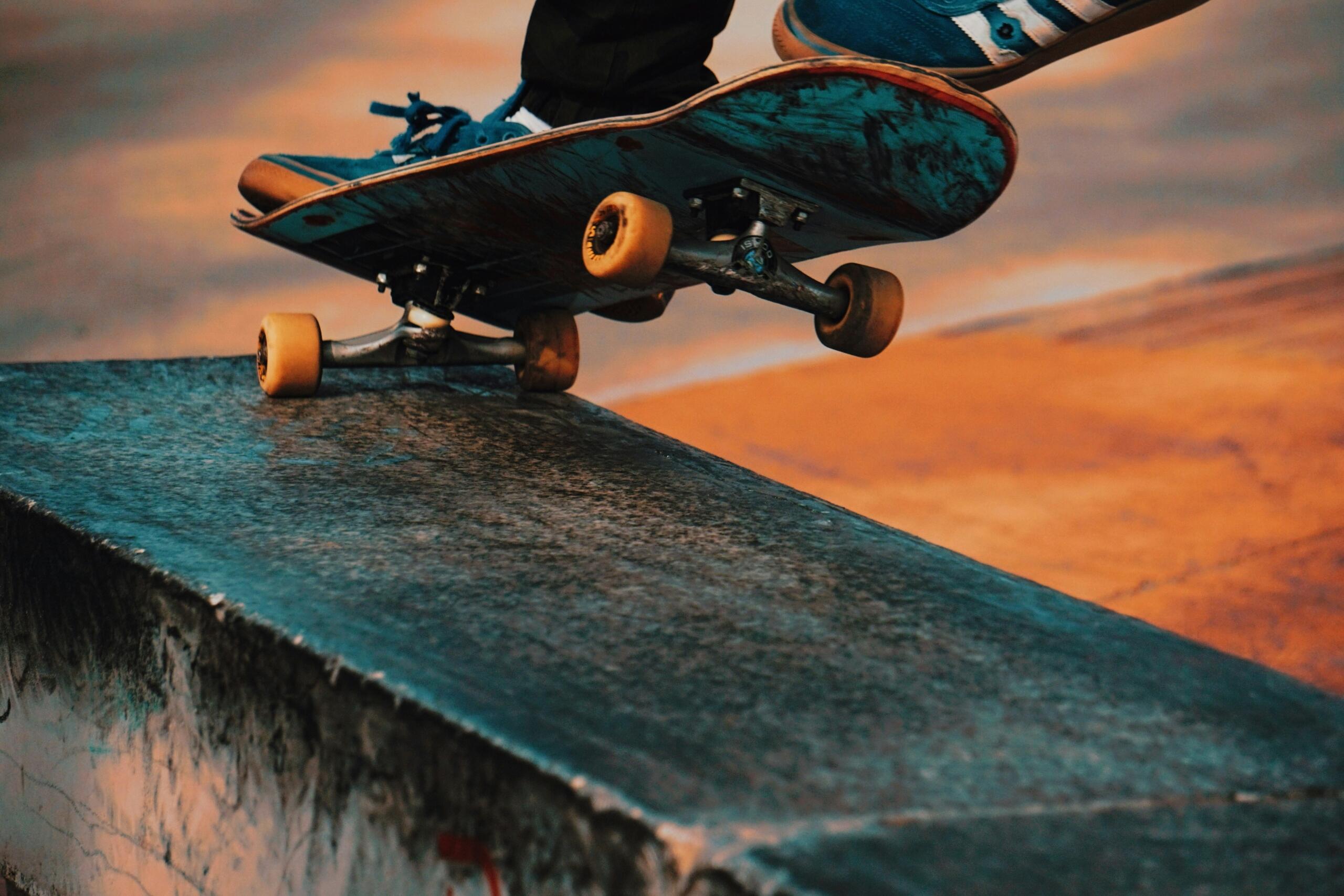

You didn't quit skateboarding because you got old, you got old because you quit skateboarding.
Jay Adams
If you are searching for where to find skateboarding lessons in South Africa, it means that you have taken a keen interest in skateboarding. With the increasing number of skateboarding parks in South Africa and the fact that skateboarding is included in the Olympics, it is not a rare occurrence when someone wants to join the skateboarding movement, too.
Irrespective of your age or how much you know about skateboarding, being passionate about the sport and being determined to try are all that is needed should you wish to find skateboarding lessons in South Africa. The good news is that in South Africa, you can find many enthusiastic skateboarders willing to share their skateboarding tips and tricks with you. You will also be able to find more professional skateboarding coaches who are willing to give you skateboarding lessons. If you want to know where you can learn to skateboard in South Africa, you have come to the right place. We will assist you in finding beginner skateboarding lessons as well as skateboarding lessons for more advanced skaters.


Taking Skateboard Lessons Near Me
Skateboarding tutors who are ready to teach you how to skate
Are you considering taking skateboard lessons near you? Beginner skaters can start their skateboarding journey by enrolling in local lessons. By taking skateboarding lessons, you can gain guidance on balance, pushing, turning, and controlling. A strong skateboarding foundation can be built under the wise and watchful eyes of a professional skateboarding coach. The idea behind taking skateboarding lessons is to learn proper techniques, safety practices, and tricks while building your confidence as a skater in the process.
Irrespective of whether you choose to take beginner skateboarding lessons at a skateboarding school or with a private tutor, the best place to practise all that you have learnt is your nearest skatepark. An experienced instructor will be able to provide the skater with instant feedback and rectify incorrect skating habits in the process.
With Superprof tutors, you have the option of joining a skateboarding class so that you can be part of the skateboarding community. Learning to skate with others during skating group lessons can be rewarding and motivating. You will have fun learning to avoid falling with others attempting to do the same by your side. However, many of our Superprof tutors also offer private lessons. If you wish to build your skating skills far faster and if you want to gain confidence in your own ability, private lessons can also work well. Private lessons can even work well for intermediate skate students wishing to advance their skating skills.
All you need to find is the right tutor who will create a supportive environment so that you can reap all of the benefits of learning how to skate with a dedicated tutor by your side. With the right tutor to guide you, you won't face any skating injuries. Even learning one unspoken skill can help you avoid injury.
More About the Advantages of Skateboard Protective Gear
Helmets, wrist guards, knee, and elbow pads
For skateboarders of all ages, there is a sense of freedom that comes with gliding through the streets, tackling ramps, and pushing your limits on the board. When you learn to roller board, and even beyond that, you need to remember that freedom is not without risk. Beginner and more advanced riders must wear protective gear. Beginners will see that by not wearing pads or helmets, their performance will be hindered completely. With modern gear being lightweight and comfortable, it is easy to feel safer.
Injury prevention is of utmost importance. Helmets can surely help to reduce the impact of head injuries, which occur all too often when skateboarding. To prevent a concussion from a fall off rails or ramps, you need to work on preventing injuries when riding. Relying on wrist guards, knee pads, and elbow pads adds an element of protection, allowing you to avoid riding injuries. Wrists should be protected, as the wrist often breaks in a bad fall. Using elbow guards can help prevent abrasions, bruises, or fractures by acting as a protective cushion. Choosing the most modern and best gear can help avoid major injuries like fractures.
Protective gear also ensures that confidence is built, as well, and this will get skateboarders to push themselves beyond set limits. Having better support on your wrists or the right type of padding for your knees will ensure that you can try a whole host of tricks and try all types of speeds as well. Mentally, the protective gear helps riders to focus more on the movement and be far more daring. Confidence is key to better movements on your board.
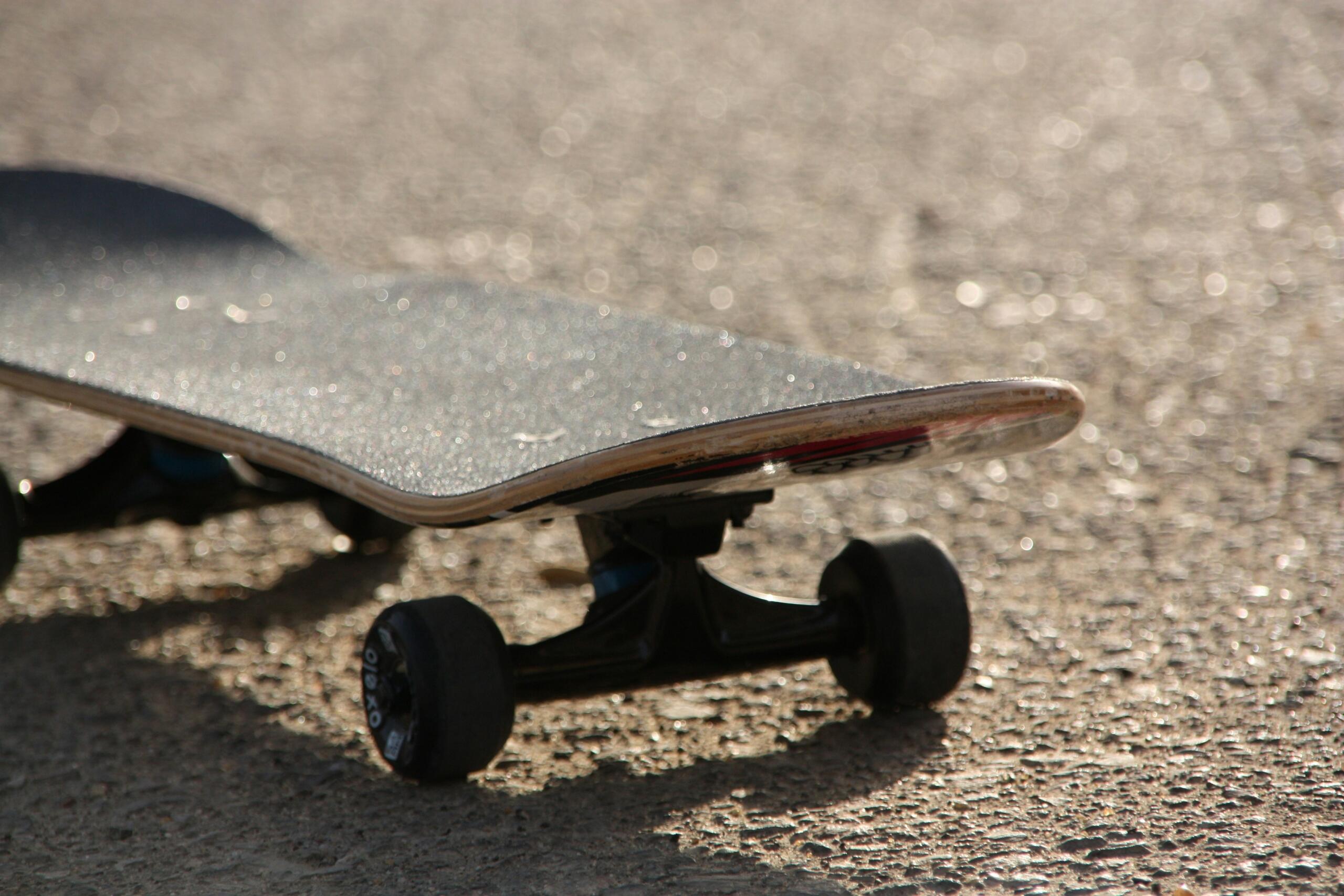
In the long run, having protection offers long-term health benefits. Chronic issues will result from continuous injury. Hence, wearing protective gear ensures that joints are protected and strain or repeated abrasions do not occur. Longevity in sports is ensured, and avoidable injuries are avoided completely. Ever noticed the protective gear worn by participants at skateboarding events?
By wearing protective gear, you are advocating a more positive skate culture. Older skaters ought to try to create a positive skate culture for the younger generations to follow. The more riders normalize the act of wearing helmets and pads, the safer the environment they create. This encourages beginner skaters to practise safe habits from the onset of skating lessons. Many skateparks in South Africa make wearing helmets mandatory.
Wearing protective gear is important, and it has become so much easier since protective gear has become rather comfortable. Innovations in materials mean that lightweight protective gear can be worn that is as functional and practical. To sum it all up, skateboard protective gear lets riders enjoy the thrill of skateboarding while still staying protected as a beginner skater.
Is It Hard to Learn to Skateboard?
Skateboarding is a way to let your body control your mind.
Shaun White
It is not hard to skateboard as long as you allow your body to take over and control your mind. Skateboarding is suitable for people of all ages, although it may seem intimidating at first for most. Catching a glimpse of the more experienced riders sliding down rails or performing advanced skating tricks can make learning how to skate seem impossible. Nevertheless, skating itself is not hard. It becomes all the more manageable and enjoyable once you get the hang of it. The most challenging aspect of learning how to skate is understanding how to approach the learning process. The main obstacle that skateboarders face is not getting on the board, but mastering balance and staying patient and consistent. This is why having a skateboarding instructor can be highly beneficial.
The core challenge, however, is balancing on a thin board that has wheels beneath it. Maintaining your balance on this board feels like quite the challenge and rather unnatural. It is not hard to learn how to skate; however, it will take a few group lessons or private lessons before you feel comfortable pushing off and rolling. Getting rolling is very often the foundation of every skating lesson. The more time and effort you put into skating, the quicker skating will start to feel natural for you. In the same way as driving or riding a bike, skating can seem more natural to you once you do it more often.
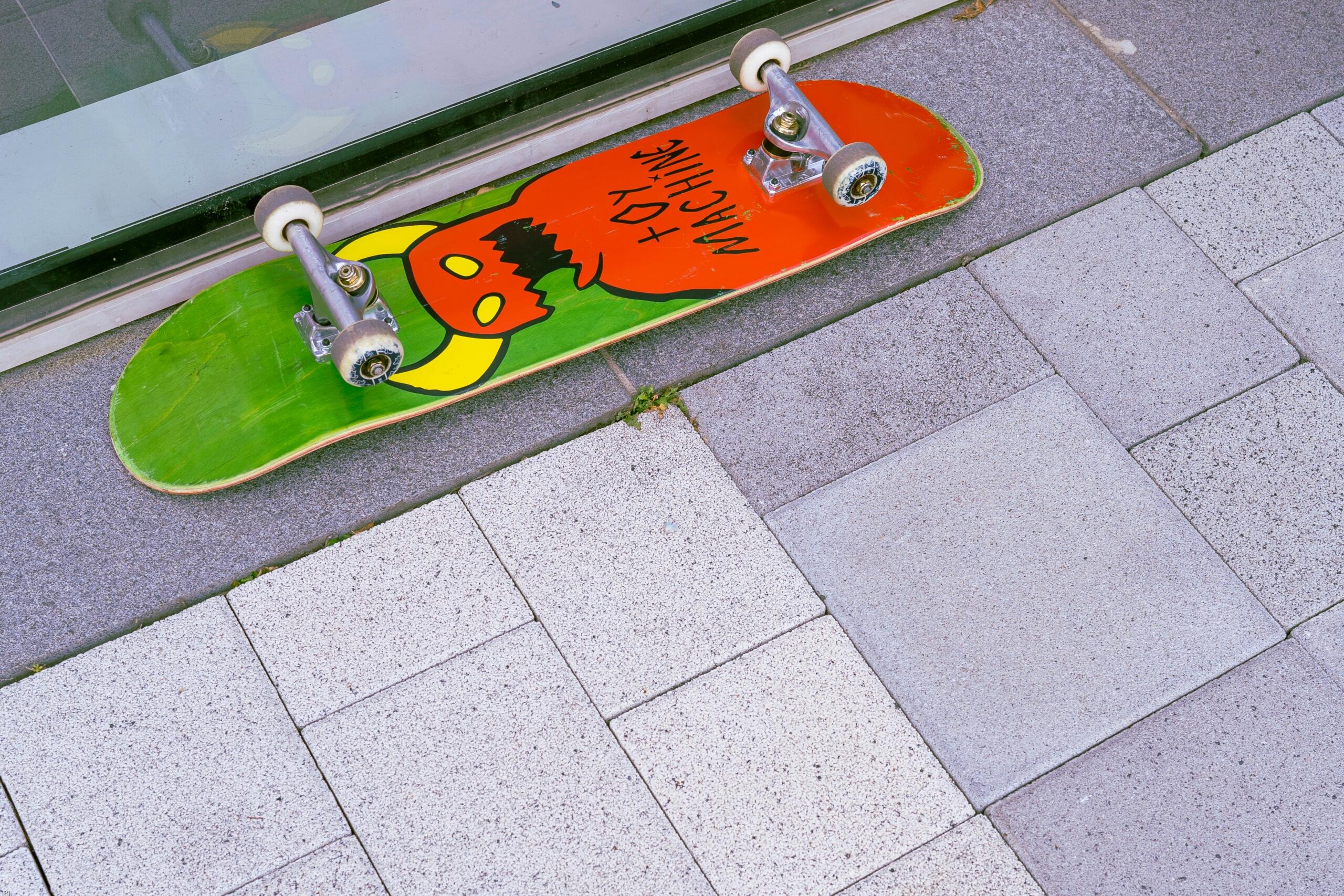
Learning how to skate on a longboard is usually a fearful process. When you wish to learn to ride a longboard, you may face the fear of falling. Falling is bound to happen, and that is why it is important to have the right protective gear to ensure that you are protected when you fall. Much of your initial skating lessons focus on teaching you how to fall properly. All skaters need to stay loose and remember to bend their knees. It is important to wear a helmet to assist with skating anxiety. When you feel protected and less afraid, you can commit to your journey as a skater. Victories are always rewarding and worth the frustration. You can expect "Aha moments" when you learn how to skate.
Some factors that play a role in how easy or difficult it is for you to learn how to skate:
When you manage to grasp the basics of skating, mastering skating styles can be a rather rewarding process. Every skateboarding style comes with its own set of challenges and rewards, and once you learn the basics, you can choose your own pace.
The easiest answer is that you can learn to skateboard, but it may be hard at first. There will be wobbles initially, and many falls along the way, but your passion for skating makes the journey more rewarding.
How Long Does It Take to Learn How to Skateboard?
While anyone can learn how to skate, most beginner skaters ask, "How long does it take to learn how to ride a skateboard?"
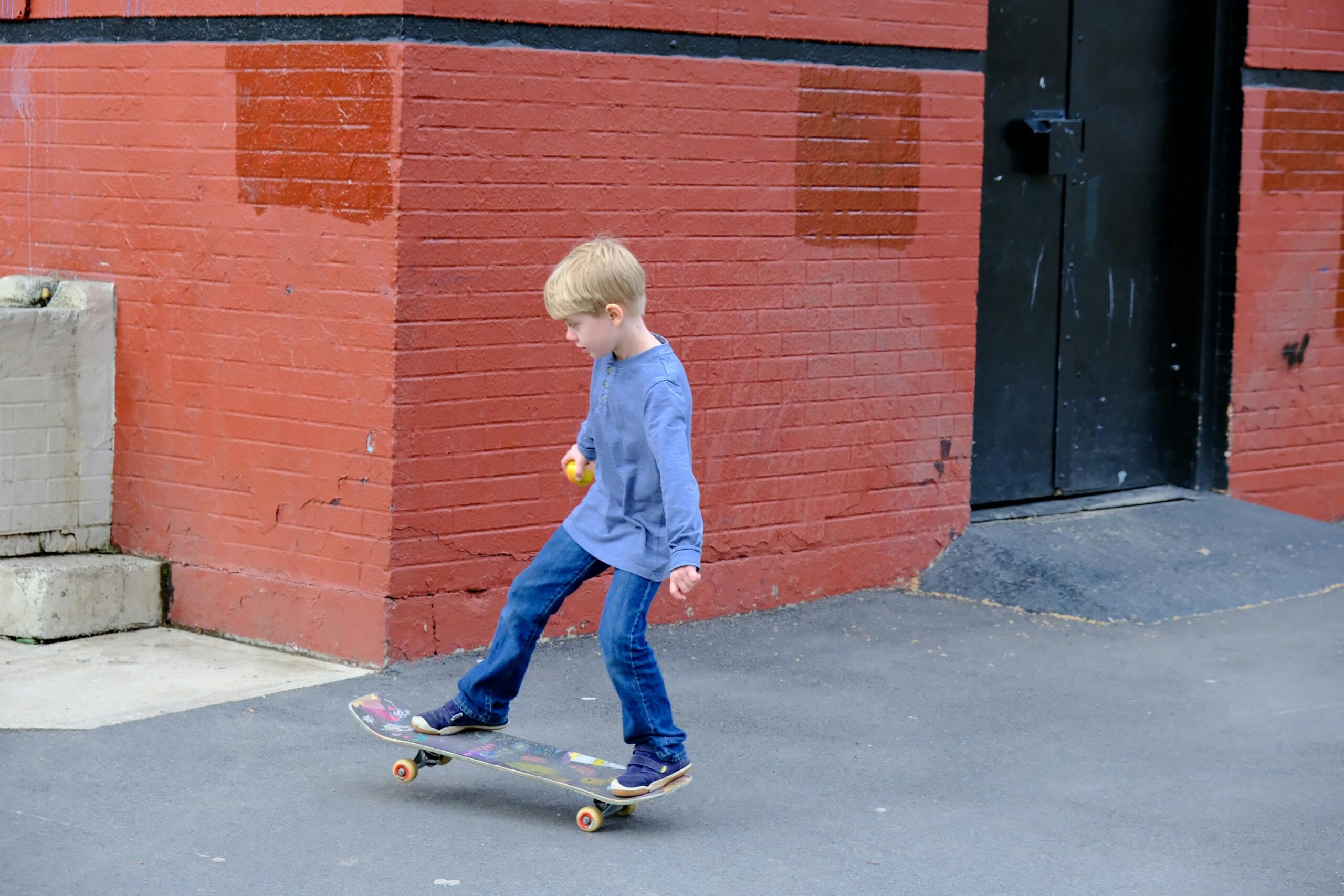
Every person's timeline varies, but most people learn how to skate faster than they expected. Confidence and physical fitness really matter. It is most important to set realistic goals. Beginners may take longer to get comfortable on the board. It may take a few hours or a few days to get fully comfortable with the idea of rolling on a board.
Practice takes around 20 to 40 minutes per day, and all the skills learnt on that day can be mastered easily. Activities such as riding down small inclines may be harder and take much more time. You may find that simple tricks are easier to grasp, like shove it or basic ollie. Within a mere three months of practice, you can grasp these basic tricks. However, more complicated tricks, such as skating bowls, can take many months or even years to perfect.
Learning to skateboard does not have a strict timeline, and it is not about how fast or slow you learn how to skate; it is all about the patience and perseverance that go with becoming a talented skater. You have to keep going to ensure that wobbles turn into confident riding. All you need to do now is find skateparks in South Africa, and then you have a place where you can learn how to skate easily by taking skateboarding lessons with one of our Superprof tutors in Gauteng and beyond.
Summarise with AI:
Enjoyed this article? Leave a rating!

 Loading...