

Sign Language is the noblest gift God gave to deaf people.
George Veditz
On 3 May 2023, something historic happened in Parliament. The National Assembly approved the Constitution Eighteenth Amendment Bill, formally recognising South African Sign Language as one of the country’s official languages.
Just over two months later, on 19 July 2023, President Cyril Ramaphosa signed the amendment into law and SASL became South Africa’s 12th official language. For the deaf community and those who support inclusive education, it was a moment that had been decades in the making.
So, if you have ever wondered how many languages in South Africa are officially recognised, the answer, which used to be 11, has now been expanded.
official languages in South Africa.
Remember, that language is not just about words, it is about access, dignity, and belonging and by adding sign language to the official languages of South Africa, the country has taken a meaningful step towards recognising Deaf South Africans as full linguistic citizens. This change also reshapes how we think about South African languages more broadly and reminds us that spoken language is only part of the story.


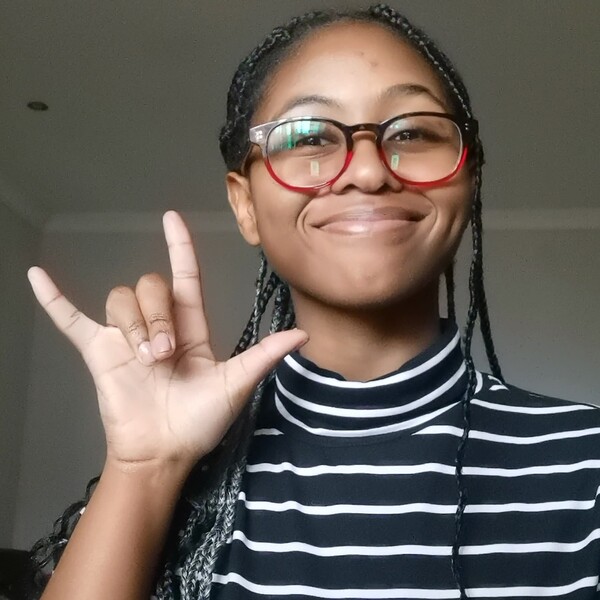


Why This Recognition Matters to You
You might not be Deaf, or have a Deaf family member, so why does this change still matter to you? In short, language recognition shapes public services, education, and how people experience daily life.
The recognition is also an event in time that invites reflection. When people ask how many languages exist in South Africa, the real answer has always been more complex than a neat list. The addition of SASL signals a broader understanding of language diversity - one that better reflects the lived experiences of South Africans.
What the Legal Recognition Means

For Deaf and hard-of-hearing learners, the recognition of sign language strengthens their right to learn, communicate, and participate in society by using their natural language.
Exploring the legality of the recognition means looking at section 6 of the Constitution which sets out the country’s language framework. Now, with the amendment in force the list of official languages in South Africa looks like this:
This means the state has a duty to take practical and positive measures to elevate its status and advance its use.
Many institutions, like Umalusi, for instance, welcomed the amendment, highlighting its importance for assessment, certification, and curriculum alignment. In addition, the recognition also has implications for government departments, courts, healthcare facilities, and public broadcasters. An example of this is the importance of the services offered by interpreters, which were previously absent or inconsistent. When we consider South Africa's official languages, we can no longer think only in terms of spoken communication.
At a broader level, this change reinforces the idea that South African languages include visual languages with their own grammar and cultural identity. At its heart, the law now reflects what Deaf communities have long known to be true.
SASL in Schools and the National Curriculum
Education is where this recognition carries some of its most immediate impact. For example, the Department of Basic Education already offers SASL as a Home Language subject in the Further Education and Training phase, covering Grades 10 to 12, specifically for Deaf learners. This is set out in the Curriculum and Assessment Policy Statement, known as CAPS.
For many years, Deaf learners were taught through poorly adapted spoken language models, often using English or Afrikaans as the medium of instruction. Today, however, formal recognition of South African sign language strengthens the case for mother tongue education in Deaf schools, particularly in provinces like Gauteng, the Western Cape, and KwaZulu-Natal, where specialist schools already exist.
Schools are also guided by the South African Schools Act, which requires governing bodies to develop language policies that recognise linguistic diversity. Now, with SASL officially recognised, schools can no longer treat sign language as an optional extra. When you think about how many languages in South Africa learners bring into classrooms, this shift encourages more thoughtful and inclusive planning.
To explore how this plays out in practice, see What is SASL in the National Curriculum, which explains how assessment, teaching time, and subject status work in real classrooms.
Supporting Deaf Learners In Everyday School Life
Sadly, legal recognition alone does not guarantee inclusion. What matters is how schools, tutors, and families respond. For instance, deaf learners often rely on interpreters, visual teaching methods, and teachers trained in South African sign language to fully access the curriculum. When these supports are absent, learners are still at risk of being marginalised.
If you are a tutor or teacher, learning basic SASL can transform how you support Deaf students. Parents, too, play a crucial role in advocating for proper language support, you help ensure that South African languages are respected in all their forms.
A practical guide to this can be found in Supporting Students Using SA Sign Language, which looks at classroom strategies, collaboration with interpreters, and realistic ways to improve access.
What Parents Need to Know When Choosing Schools
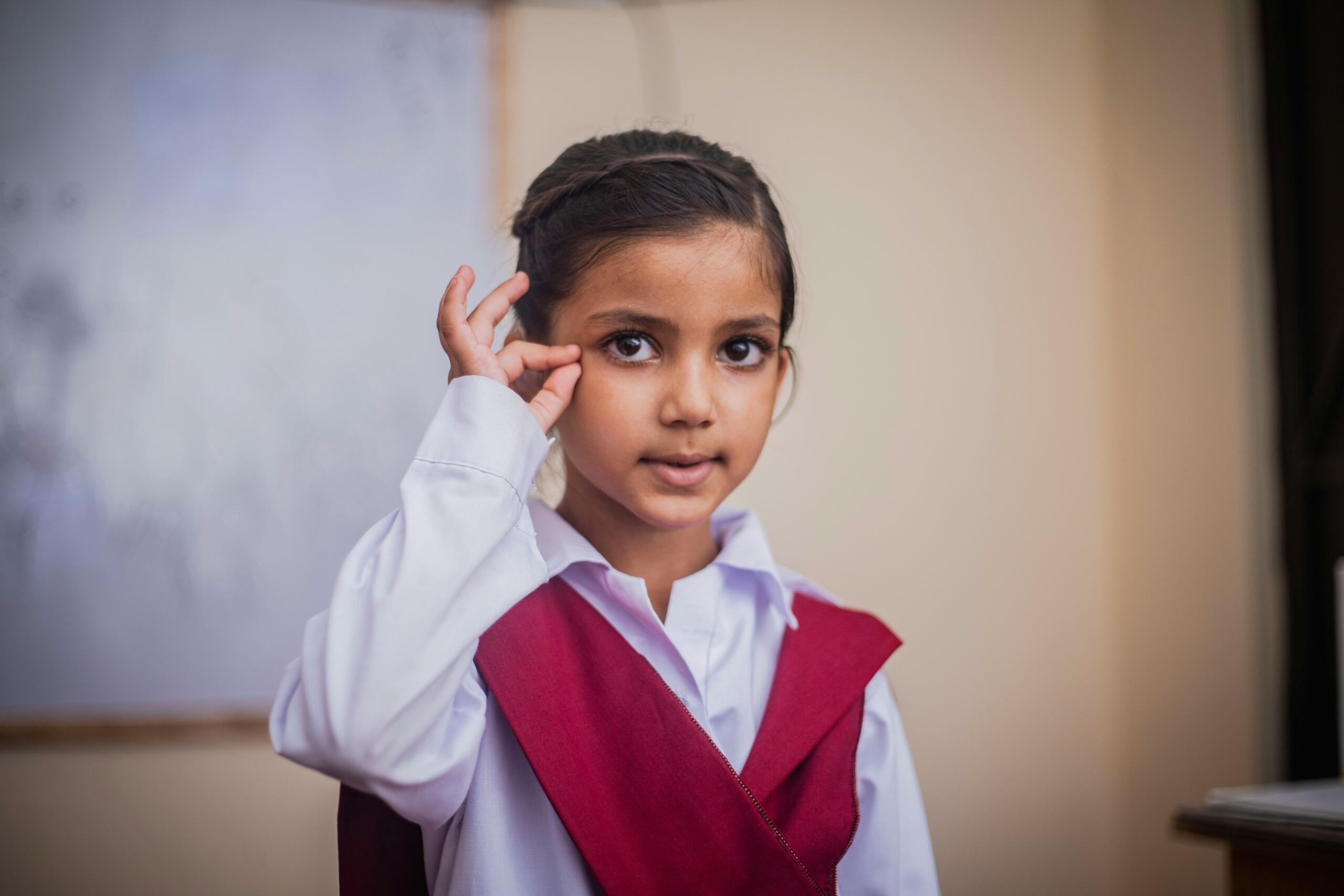
If you are a parent of a Deaf or hard of hearing child, this constitutional change gives you stronger footing when engaging with schools. You are now better placed to ask whether a school offers South African sign language instruction, whether teachers are trained, and how communication happens in everyday school life.
Visit schools, speak to other parents, and review language policies to help you make informed decisions. The recognition of SASL also supports parents who wish to learn sign language themselves and strengthen communication at home.
When you think about the official languages of South Africa, remember that inclusion begins long before a child enters a classroom. It starts with informed choices and confident advocacy.
Beyond Schools: Broader Social Impact
Remember that language recognition extends beyond education and influences access to public services, employment, and civic participation.
Interpreters in hospitals, police stations, and courts are no longer a courtesy, but a necessity grounded in constitutional principle, elevating South African sign language from the margins into everyday public life.
Not only that, but it also reshapes how we understand South African languages as a whole. Linguistic diversity is not static, but rather it evolves as society becomes more aware of whose voices, and hands, have been excluded. The question of how many languages in South Africa there are therefore, becomes less about counting and more about acknowledging lived realities.
Learning SASL as a Lifelong Skill
There’s no doubt, interest in learning SASL is growing, not only among educators and parents, but also among students, healthcare workers, and community volunteers.
Learning sign language is not just about communication, it is about cultural respect and social connection.
Language is seen, felt, and shared.

Fortunately, there are credible resources available through universities, Deaf organisations, and approved training providers. Amongst these, online platforms, community classes, and short courses can help you get started, provided they are aligned with recognised South African sign language standards. But of course, remember that just like any language, quality and authenticity matter.
Looking Ahead With Purpose
Ultimately, the recognition of South African sign language as an official language is not an end point. It is a foundation. Real inclusion depends on sustained investment, teacher training, interpreter development, and public awareness. Whether you are a parent, educator, learner, or simply as a citizen who believes in equal access you have a role to play.
As conversations continue about the official languages of South Africa, it is worth remembering that language is not only spoken. It is seen, felt, and shared and when you broaden your understanding of South African languages, you contribute to a more inclusive society, one where recognition leads to meaningful change, not just words on a page.
Summarise with AI:
Enjoyed this article? Leave a rating!

 Loading...