

The important thing is not to stop questioning. Curiosity has its own reason for existing.
Albert Einstein
Science is often the subject that makes even confident learners freeze. One day your child seems to understand what is happening in class, and the next they are staring at a page full of symbols, unfamiliar terms, and diagrams that feel completely overwhelming. This experience is common, and it is not a sign that your child is bad at science. In fact, for many South African learners, science only begins to make sense once they understand how the system is structured and what is really expected of them.
Across public schools, science is taught within the curriculum, a nationally prescribed framework designed to build knowledge steadily over time. Whether your child attends a large urban school in Johannesburg, a smaller high school in Polokwane, or a coastal school in Gqeberha, they are working within the same expectations.
Want to give private lessons?
Join the Superprof community and share your knowledge with inquiring and motivated students.
Where Science Fits in the CAPS Framework
From the intermediate phase, right through to matric, Science forms a core part of the South African school curriculum. It is governed by detailed CAPS documents issued by the Department of Basic Education, which clearly outline the following:
Content
Skills
Assessment requirements
Remember that these documents are not suggestions. They are binding guidelines that every public school must follow.
Biology gives you a brain. Life turns it into a mind.
Jeffrey Eugenides
This is because CAPS is built on clarity and progression. For instance, one of the key CAPS principles is that knowledge develops in a logical sequence. Concepts introduced in earlier grades are revisited, expanded, and applied at higher levels. This means that when learners struggle in later grades, the difficulty often lies in an earlier misunderstanding rather than the current work itself.
Science Across the Different Phases

The Skills that Science Science Really Tests
Science is not only about memorising facts. One of the most important CAPS principles is skills development. Here, learners investigate, analyse, interpret data, and solve problems logically. This means science in the South African school curriculum tests how learners think and not just what they remember.
If language is an area of concern, read our article on how strengthening literacy can improve performance across subjects, including science.
Practical Work and Hands-On Learning
Science under CAPS is designed to be active, which is why practical work is a compulsory component, especially in the senior grades. In CAPS documents, you will find what is required of learners in the Practical Assessment Tasks in both Physical and Life Sciences. Here, learners are marked on planning, method, observation, and interpretation that reflect core CAPS principles and the South African grading system of applying knowledge rather than just repeating it.
Why Learners Commonly Struggle

It is no secret that in the South African curriculum, just like anywhere else in the world, chemistry equations, mechanics and electricity can be stumbling blocks in Physical Sciences. Similarly, in Life Sciences, the sheer volume of terminology can feel unmanageable.
Remember that science, like maths, builds layer upon layer. When one concept is shaky, the next feels impossible. The answer? Early one-on-one academic support that is rooted in the South African school curriculum.
Want to give private lessons?
Join the Superprof community and share your knowledge with inquiring and motivated students.
How Targeted Support Changes Everything
Extra academic support can dramatically change how learners experience science especially when a skilled tutor uses CAPS principles to break down complex ideas into manageable steps, using visual models, diagrams, and simulations.
In addition, working through past papers helps learners understand how questions are structured within the South African grading system. This familiarity can reduce anxiety and build confidence over time.
Remember that science and maths are closely linked. If mathematical skills are weak, scientific problem solving often suffers. For a deeper look at this connection, The CAPS Aligned School Curriculum for Maths explains how numerical confidence supports science learning throughout the curriculum.
Science and Future Opportunities
Science subjects play a major role in shaping tertiary education opportunities. Universities and colleges carefully consider results achieved within the South African grading system, especially for fields such as health sciences, engineering, and environmental studies.
The aim of the South African school curriculum is not only to prepare learners for exams, but also to develop critical thinkers who can engage with real-world problems. Understanding how CAPS compares to alternative systems can also be useful, and you will find a clear explanation of how assessment approaches differ in our other article.
Supporting Your Child With Confidence
You do not need to be a scientist to support your child. What matters is understanding how science fits into the curriculum, staying informed about assessment requirements, and acting early when difficulties arise.
The structure provided by CAPS, guided by clear policy documents and grounded in sound principles, gives learners a reliable framework for growth. With patience, encouragement, and the right support, science can shift from a source of anxiety to a subject where confidence steadily grows, even within the demands of the South African grading system.
Science is not about instant understanding but cumulative and often abstract. It requires time, repetition, and the freedom to ask questions without feeling rushed or judged.
Building Confidence Through Consistent Practice
Confidence in science grows through small wins. Completing a calculation correctly, understanding a diagram, or explaining a concept aloud are all signs of progress.
Remember that improvement is often uneven. Learners may excel in one topic while struggling in another, and this fluctuation is normal.
In addition, encouraging your child to explain what they have learned, even informally, strengthens understanding. Teaching someone else, whether it is a sibling or a parent, forces learners to organise their thoughts and identify areas of confusion. This process builds independence and resilience over time.
When to Seek Extra Support

There is no single moment that signals the need for extra help. Some learners benefit from support early, while others only need it during high pressure years. Bear in mind that seeking help is not a sign of failure. It is a proactive step that helps learners regain control and confidence.
In addition, short-term support can be just as valuable as long-term tutoring. Working through a challenging section, revising before exams, or revisiting foundational concepts can all make a meaningful difference. What matters most is that support is timely and responsive to your child’s needs.
Supporting your child to review work regularly, even in small chunks, can prevent this pattern from taking hold.
Preparing for Assessments Without Panic
Assessment periods often bring anxiety, especially in subjects that feel demanding. Remember that preparation does not begin a week before exams. It is built gradually through revision, practice, and reflection. Helping your child plan study time realistically reduces last minute stress.
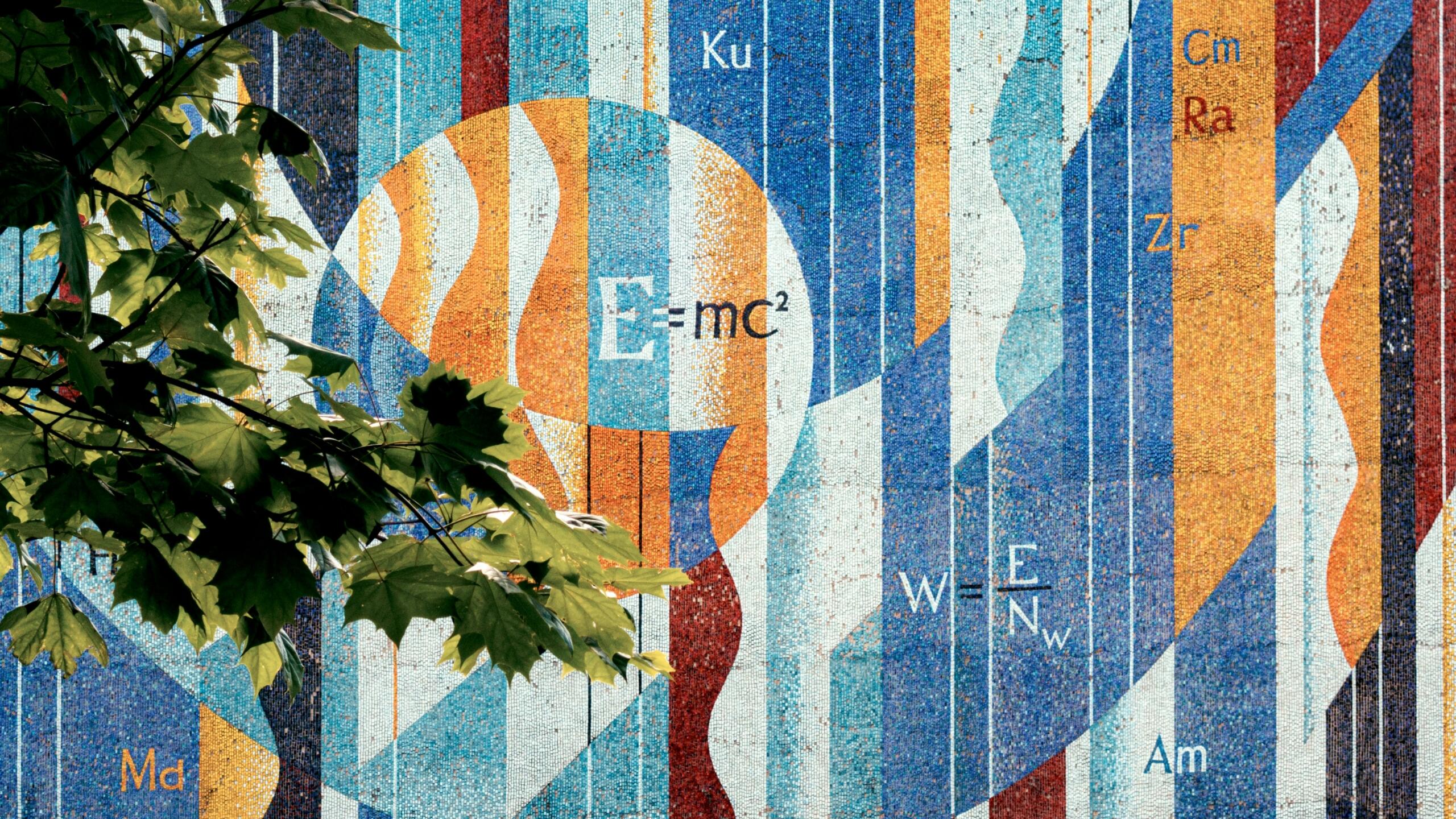
Science builds careful thinking, problem-solving, and evidence-based reasoning to support learners in many areas of life.
In addition, practising under exam conditions can help learners manage time and pressure more effectively. Discussing mistakes calmly, rather than focusing only on marks, encourages a growth mindset. This means learners begin to see assessments as feedback rather than judgement.
A Long Term View of Science Learning
It is easy to focus narrowly on marks, especially in the senior years, but science education has value beyond results. Remember that not every learner will pursue a science-based career, and that is perfectly acceptable.
What matters is that your child develops confidence in their ability to learn challenging material. With patience, guidance, and realistic expectations, science becomes less about fear and more about curiosity. Over time, this shift can change how learners approach not only this subject, but learning as a whole.
Want to give private lessons?
Join the Superprof community and share your knowledge with inquiring and motivated students.
Summarise with AI:
Enjoyed this article? Leave a rating!

 Loading...