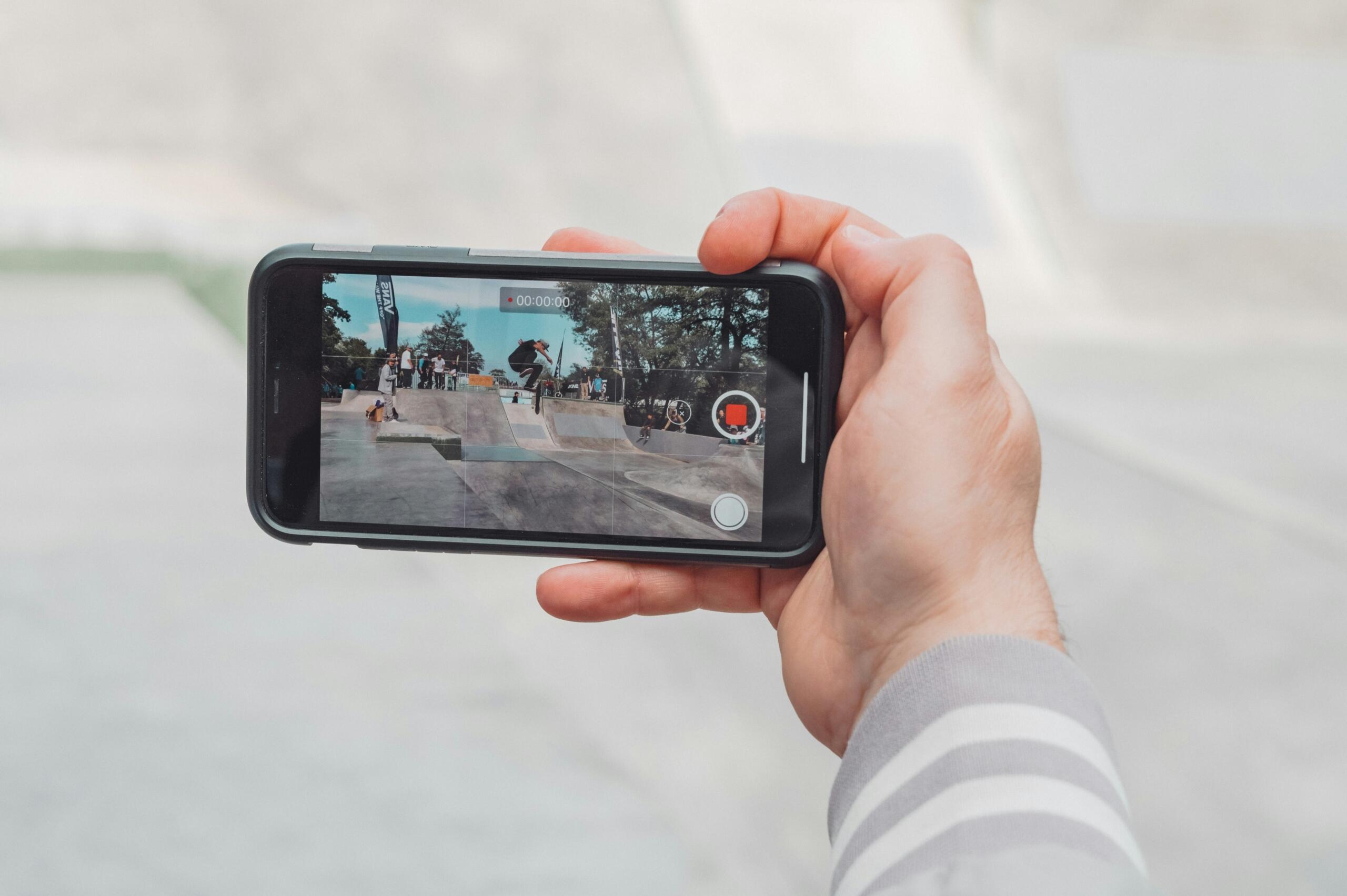

Skateboarding is the sound of living.
Jake Phelps
Dear enthusiastic skater. Skateboarding is the sound of living, and you are dying to live, and yearning to skate. If you are thinking about learning to skateboard, you may be asking yourself, "Can I learn to skateboard on my own?" Yes, you surely can learn how to skate on your own. However, learning how to skate is never really easy. You need the right mindset, willingness, and patience should you wish to go from having no skateboarding experience to becoming a novice skater. Skateboarding, like learning anything new, takes time, requires consistency, and needs effort.
Skateboarding doesn't rely on formal rules, a set schedule, or a strict pathway.
This skateboarder from Athlone, Cape Town, did not have access to formal skateparks, so he learnt how to skate on his own by training on the benches at local taxi ranks.


The Advantages and Disadvantages of Learning to Skate on Your Own
You don't have to reach out to a skateboarding coach to get started. You just require some prior knowledge of skating and a smooth surface to skate on, and you are good to get started. Many skaters in South Africa are self-taught skaters who learnt the basics of standing on the board, pushing, balancing, and turning on their own. However, for many enthusiasts new to the skating field, these movements can feel more awkward. It may require lots of guts and confidence to be able to balance on the skateboard. While watching videos of other skaters skating may help, it may be difficult for most beginner skaters to overcome their fear of skating.
The greatest challenge is overcoming the fear of staying steady on the skateboard. All skaters will tell you that falling is part of the journey for beginner skaters and more experienced ones. For skaters learning to skate on their own, focusing on their own pace rather than their progress can be best.
Yes, learning to skate on your own means taking advantage of the free resources available and seeking online skating tutorials from YouTube, or gaining tips from skateboarding communities. Watching others skate is always a good idea. However, to be able to skate, you need to practise consistently and regularly. New skaters must not attempt to perform sophisticated skating tricks from the onset, and skaters who are learning to skate independently must realise that they may never really learn how to grasp certain skating tricks properly.
According to the Oxford Dictionary, a skateboarding coach is a person whose job is to instruct and train people in the sport or activity of skateboarding, helping them to develop their skills and progress safely.
Skating fanatics need to remember that skating is not meant to be a solo experience. While you can learn to skate on your own, it is always better to learn how to skate under the guidance of a professional skating coach. Interacting with expert skaters may assist you to learn how to skate faster. A skating coach may also help you to feel more comfortable on the board as you are overcoming your fear of skating.
How you choose to learn how to skate doesn't really matter; what matters is the fact that you are consistent and that you anticipate setbacks now and again. It is also important to keep your age in mind when you start your skating journey.
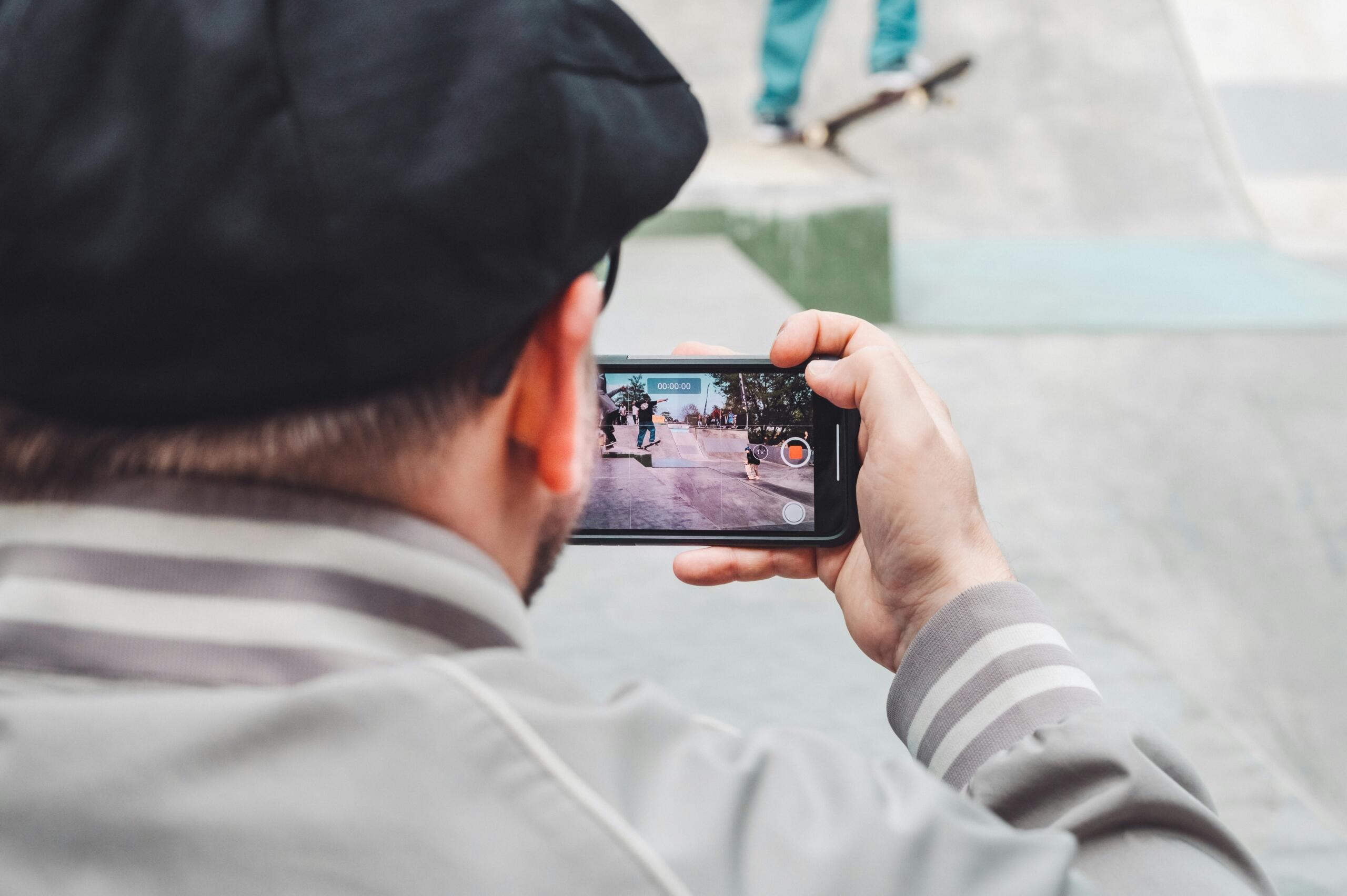
At What Age Can You Learn to Skateboard?
Another question frequently asked once people become interested in skating is, "At what age can I learn to skate?" Well, there is no "right age" to get on a skateboard and start learning how to skate. Skating can be learnt at any age and at any stage of life.
Those over 40 just need to be guided on how to begin skating when they are older.
All in all, anyone at any age can learn how to skate. When it comes to skateboarding, age surely is just a number. Mindset is far more important when you are learning skateboarding than age. Having the right mindset is equally important if you are determined to learn how to skateboard on your own.
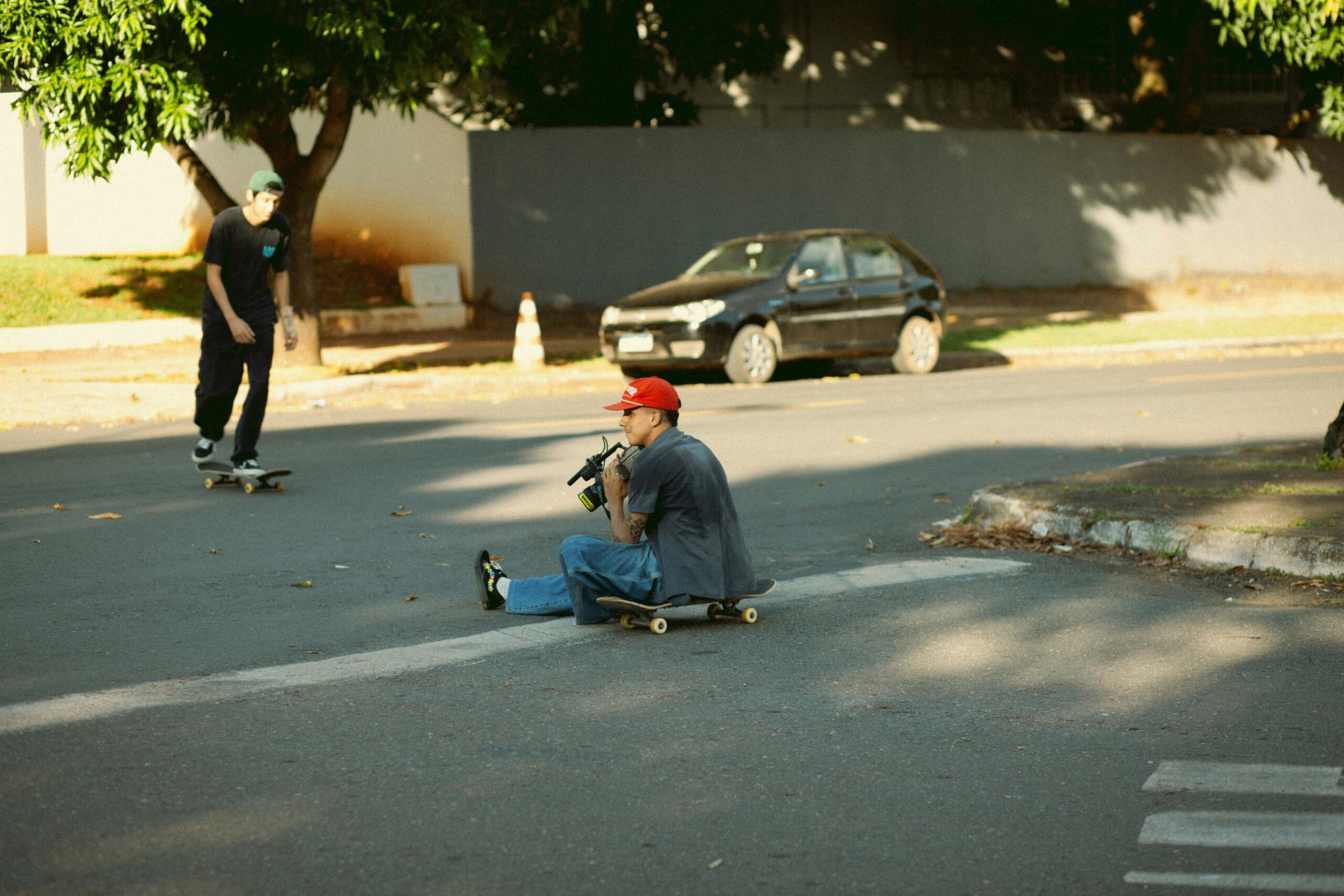
Is It Hard to Learn to Skateboard On Your Own?
Skateboarding teaches you how to fall properly.
Bam Margera
For all those determined souls willing to learn how to skate on their own, they must be asking themselves, "Is it hard to learn how to skate on your own?" Well, in all honesty, learning to skate on your own can be challenging. Like learning any new physical skill, skateboarding needs much patience, persistence, and a willingness, whilst understanding that you will stumble and fall along the way.
There are a few reasons why learning to skate on your own can seem challenging:
- One of the main reasons why learning how to skateboard alone is difficult is because balancing on the board is not easy. Standing on a moving skateboard requires muscle strength and coordination that most people are not naturally used to. Turning and pushing can feel awkward, and more so when correct foot placement is needed.
- Another big hindrance to learning to skate on your own is fear. Every beginner skateboarder fears falling off the skateboard. It can help considerably to have someone constantly reassuring you that every stumbling block is part of learning. Fear can interfere with progress completely.
- The last hurdle when it comes to tackling skateboarding on your own is dealing with self-motivation issues. It is far easier to give up than to keep on going. Getting discouraged when you are learning on your own is easier, especially when you are pushing yourself out of your comfort zone.
While it is easy to want to throw in the towel before attempting to learn how to skate on your own, there are many positives to learning to skate alone. Some advantages of going solo on your skateboarding journey include:
- Learning at your own pace without any pressure. You can repeat skills as often as you like. The freedom that comes with choosing where to learn how to skate and to go as slow or fast as you like is surely worth all the effort.
- You can discover what works for you and your body. Since skateboarding is a highly personal experience, you can trust yourself to learn what works well for you and to ditch what doesn't work without abandoning your comfort zone completely.
- You can overcome fear by wearing protective gear. Although you might not have another voice motivating you to be more confident when you learn how to skateboard alone, having the best protective gear can help you overcome your fear.
There are some difficulties when learning on your own as opposed to learning with others; however, consistency matters considerably. You can motivate yourself to keep thriving and to keep skating, even if you are learning to skate on your own. Plus, teaching yourself how to skate can be simply rewarding.
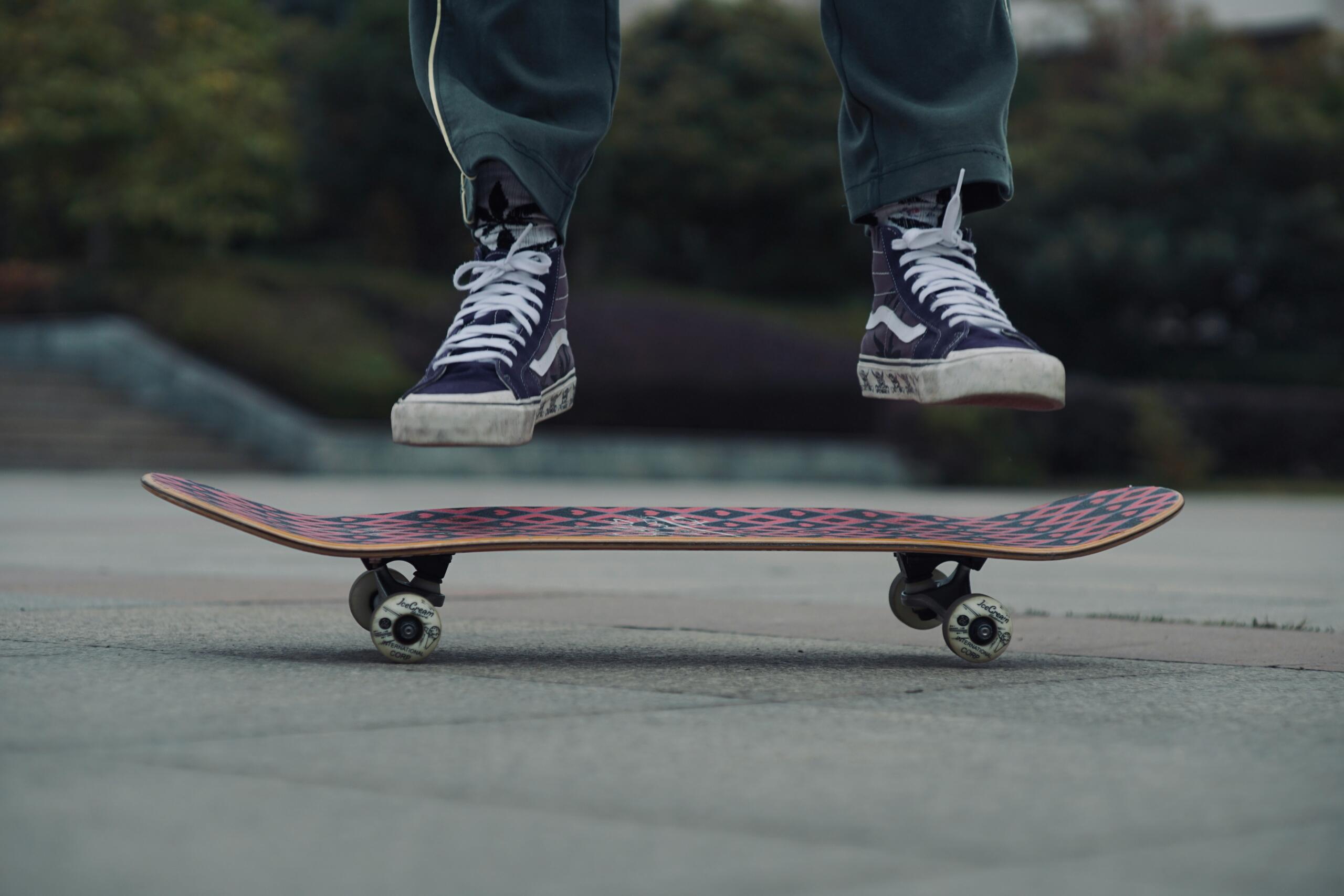
How to Learn Tricks on the Skateboard?
Basic Skateboarding tricks for beginners
For skateboarders learning how to skate on their own and for beginner skaters learning with a skateboarding coach, learning skateboarding tricks will be the most exciting experience. To perform a skateboarding trick requires so much more than just keeping your left foot forward. When it comes to learning how to perfect tricks, many skaters do not know where to start. Tricks entail focusing on balance, timing, coordination, and confidence all at once. Patience is of utmost importance yet again when you are trying to master even the most basic skateboarding tricks. You also need to remember not to rush to flip tricks or ollies; you must grasp the more basic skateboarding tricks first. Kick Turns can be great for beginners.
Before attempting tricks, you must ensure that you are comfortable with your board:
Please start by trying out tricks like tic-tacs, hippie jumps, curb stalls, and small kick turns. Only once you gain confidence can you try more advanced tricks. It is always best if you remain consistent when learning how to attempt tricks with your board. You can also choose smooth ground to start trying out tricks, as opposed to attempting them on concrete or rough surfaces.
Tutorials can help considerably, and so can learning by watching others try tricks. For skateboarders attempting to learn tricks on their own, they can rely on online video tutorials to gain step-by-step guidance. Another lucrative strategy is to film yourself trying these tricks so you can assess where you are going wrong and see how to improve your balance and technique.
Even if you are learning to skate on your own, it always helps to be guided by professional skaters or those with more skating experience. When it comes to picking up skating tricks, enjoyment surely matters. Immersing yourself in the skateboard culture and enjoying skating with and learning from others is all part of the skating journey. The most rewarding part of learning new skating tricks is enjoying the learning process.
Choosing Skateboarding Safety Gear
If you are still keen about learning to skate on your own, you are bound to experience the most creative journey ever. Before you start cruising through your city or hitting indoor and outdoor skateparks, you must remember that the thrill will surely be accompanied by risks. If you are someone who fears falling or who just fears looking all too clumsy on your skateboard, you need to invest in the right protective gear.
Buying the best and the right equipment to stay protected is not a sign of weakness; it is an easy way to ensure you can skate without feeling fear. The best investment that you can make is to invest in a great helmet. To avoid head injuries or much more serious risks, you need to purchase a certified helmet. Most skate-specific helmets can handle all freak incidents. The right helmet must fit snugly on your head. Adjustable straps also help to secure your helmet as you try tricks.
With the helmet, also invest in wrist guards. Most beginners tend to use their hands to break their falls. To avoid fractures and sprains, you need to rely on your wrist guards so you can avoid serious injury. Wrist guards can help you feel more confident as you skate up ramps or rough terrain. Wrist guards, knee pads, and elbow pads can protect joints and knees and elbows from bruises, scratches, and scrapes. The thick padding of a high-quality can make you feel more confident and protected.
For beginners and skaters learning how to skate on their own, skate shoes can help. These shoes offer grip and support. These skating shoes will help prevent injuries while giving you the much-needed balance to try out skating tricks.
On the more extreme side, you can also invest in mouthguards and padded shorts if that will make you feel more protected and comfortable, especially when trying out high-impact tricks.
If you are not too keen about wearing all the protective gear, you can also reap many benefits from being guided by a skilled skateboarding tutor.
You can find the right tutor for you on the Superprof website. A glance at the tutor profiles may help you decide if you still want to take skating lessons on your own or if you would be better off learning with one of our dedicated skateboarding instructors. Relying on a skateboarding tutor could be a step in the right direction for you.
Summarise with AI:
Enjoyed this article? Leave a rating!

 Loading...