
Dolly the sheep, born in July 1996 at the Roslin Institute in Scotland, became a landmark in science as the first mammal cloned from an adult somatic cell. While she wasn't the first animal to be cloned—that distinction belongs to John Gurdon's African clawed frogs—Dolly ignited a widespread debate on the ethics of genetic engineering.
Looking back over a brief history of gene therapy, Louise Brown, born in July 1978, was the world's first successful in-vitro fertilisation (IVF) baby. Her birth, heralded by "Test-tube Baby!" headlines, sparked intense discussions about the ethics of IVF. Today, IVF offers hope to millions of childless couples, but half a century ago, it was a controversial topic.
Fast forward to this millennium, and it is not uncommon to see governments either restrict or ban research into certain therapies. For example, former US President George W. Bush vetoed all stem cell research initiatives during his tenure, citing religious reasons as well as moral and ethical concerns.
Now, we have CRISPR, one of the most significant advancements in medical research this century. This genetic engineering technique allows for precise, quick, and easy modification of genomes in living organisms, and much like cloning and IVF it raises questions like: what is gene therapy and is gene editing ethical?
Besides, ‘Is gene therapy ethical,’ other key concerns around the ethics of genetic engineering include:
- The difference between somatic and germline editing.
- Medically necessary gene editing versus designer babies.
- The costs and benefits of gene editing.
- Society's readiness for human genome editing to become commonplace.
A medical science tutor can help clarify these concepts with real-life examples, likening cloning to copying a key, where each duplicate is an exact match to the original, making the idea of genetic replication more comprehensible.
As we navigate these advancements, the central question remains: is gene editing ethical?


What is Gene Therapy: An Overview
Genetic alteration is a constant process in nature that is governed by the interplay of recessive and dominant genes through gene expression. This natural selection has driven the evolution of species, though not all genetic mutations are beneficial. For example, individuals with Down's Syndrome or albinism face significant health challenges and social stigma.
On the other hand, genetically modified organisms (GMOs) have been around for half a century, created through man-made genetic engineering techniques. The most familiar examples are genetically modified foods, which continue to spark ethical debates. However, these discussions are minor compared to the controversy over the ethics of genetic engineering in humans.
No story that offers a brief history of gene therapy would be complete without mentioning the incident that rocked the Second International Summit on Human Genome Editing in 2018. At the event, the announcement was made of how twin girls, Lulu and Nana were genetically edited by biophysics researcher He Jiankui to resist the AIDS virus.
What is Gene Editing?
Gene editing is also known as genome editing.
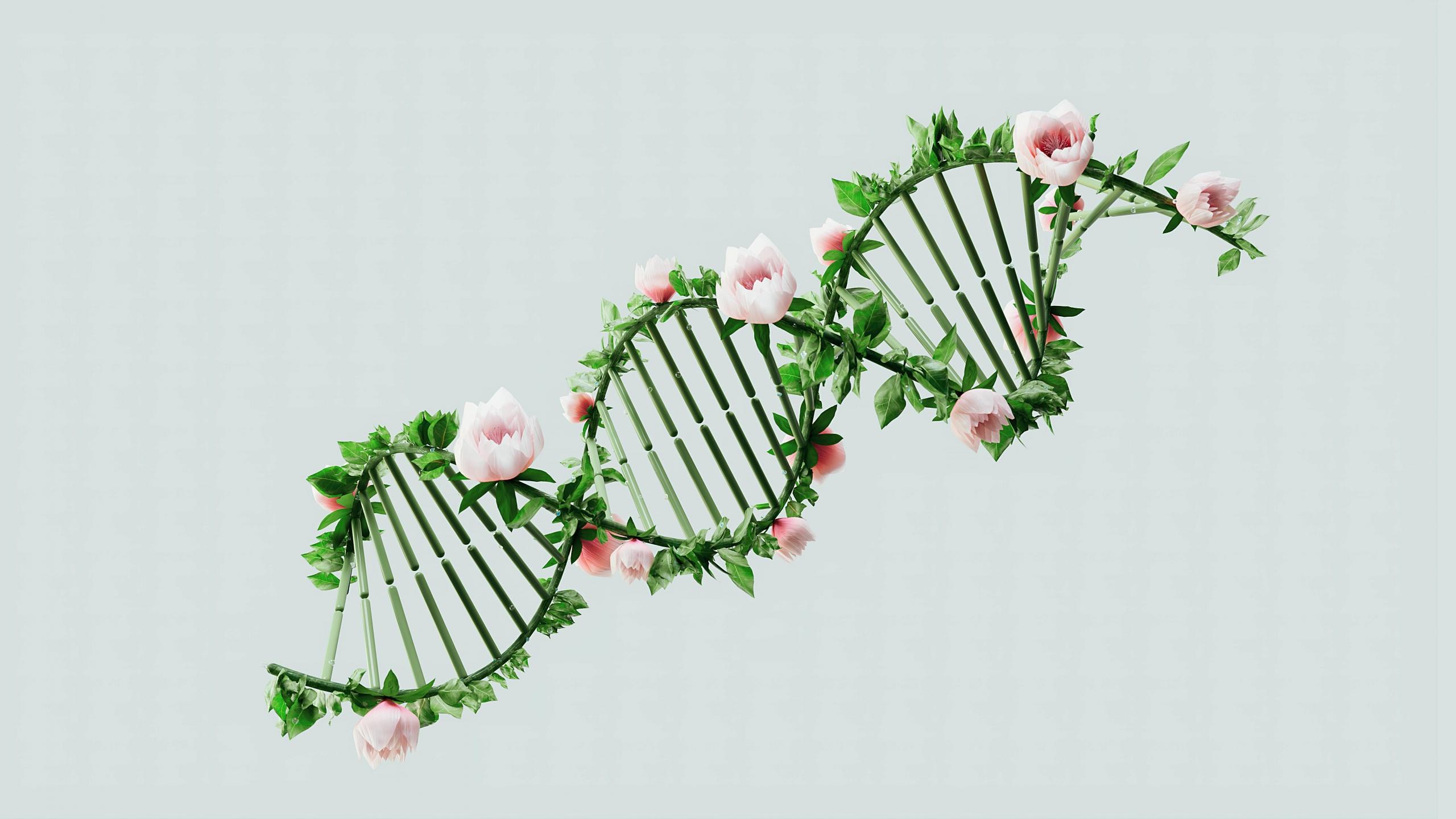
Gene editing is a process that allows scientists to change the DNA of people, animals, plants and other organisms such as bacteria.
Scientists have various tools available to perform gene editing, and the results can be changes to an individual’s susceptibility to certain diseases and also in their physical appearance, with changes to their eye colour, for example.
How it works is that scientists essentially cut DNA in specific places, and then remove, replace or add to the DNA in that same spot.
This therapy has been built on the knowledge that broken sections of DNA will trigger a cell’s repair process to rebuild the damaged area.
Gene editing operates on two levels: somatic and germline. Somatic gene editing, which targets specific cell types without affecting others, is highly regulated and well-accepted. However, in answering the question, what is gene therapy, germline editing is far more contentious due to its profound implications.
Somatic Genome Editing:
- Targets specific cell-type genes.
- Does not affect other cell types.
- Effects are limited to the treated individual.
- Is a highly regulated practice.
Germline Genome Editing:
- Occurs early in development.
- Edits are incorporated into every cell type.
- Edited genes are passed to offspring.
- Raises the question, is gene therapy ethical?

Dr He’s use of germline editing on the embryos of Nana and Lulu led to international outrage, primarily due to health concerns for the girls. His actions resulted in the suspension of his research and a three-year prison sentence.
For those interested in exploring these topics further, biology and medical science tutors can provide valuable guidance and a deeper understanding of these complex issues.
Gene Editing and Genetic Mutations
Editing blood cell genes to cure or prevent sickle-cell anaemia, caused by an abnormal HBB gene, is certainly a medical advancement worth mentioning. This condition occurs when both parents pass on the abnormal gene. If both are carriers, gene therapy might be recommended.
In Europe, somatic genome editing is authorised for treating various conditions. For instance, certain aggressive blood cancers are treated with a combination of cell and gene therapy. In addition, patients with severely compromised immune systems may also receive gene therapy if no suitable stem cell donor is available.
Gene therapy can also address other severe conditions, such as specific neuromuscular and neurodegenerative disorders, Crohn's Disease, and corneal issues, particularly when other treatments fail, or no stem cells are available.
CRISPR, another topic worth mentioning, is a leading medical breakthrough of the past decade that offers fast, easy, and precise gene editing that can potentially cure a range of debilitating conditions. However, lawmakers and scientists emphasise that gene editing should not be the default solution for every condition which reflects a commitment to ethical patient care.

Genetic Engineering: Other Issues to Consider
Humans love customisation, whether that is deciding what toppings to put on a burger at Burger King, personalising social media and web browsers, or specifying preferences in dating apps to let algorithms find the perfect match. These personal choices are harmless - choosing no onions on your burger or preferring tall partners and dark mode on YouTube doesn't affect society at large.
However, the potential widespread use of gene editing brings up more serious ethical concerns. History shows the dangers of eugenics, a concept that involves eliminating undesirable traits from the population. In the past, this led to the elimination of those deemed deformed or undesirable, female infanticide due to a preference for sons, and the horrific Final Solution of the Nazis aimed at eradicating non-conformists.
Exploring the ethics of cloning with a medical science tutor offers expert guidance to navigate this complex subject, and provides a balanced understanding of both scientific and moral issues.
Now, imagine this power of selection applied at the cellular level, where embryos could be edited to meet certain ideals. This could exacerbate existing inequalities. For instance, Malcolm and Simone Collins, who see themselves as elite, advocate for a world populated only by the genetically superior offspring of the wealthy. This mindset, if adopted widely, could lead to further societal divides.
The implications are significant. If governments pursued the creation of a 'superior' race, those who didn't meet the criteria—whether due to intelligence, productivity, or conformity—would be even more disadvantaged than they are now.
But the future need not be so bleak. Gene editing could play a positive role in personalised medicine and potentially eradicate many genetic diseases. In addition, perhaps limiting the scope of genetic customisation to non-essential traits, like eye colour, could satisfy those seeking greater control over their offspring's genes without leading to harmful societal consequences. This balanced approach might prevent the ethical pitfalls while harnessing the benefits of genetic technology for medical advancements.

Are We Ready for Gene Editing Technologies?
Enrico Fermi, a renowned physicist, known as the architect of the atomic bomb that devastated Nagasaki and Hiroshima at the end of World War 2, witnessed the catastrophic effects of nuclear reactions. Fermi urged military leaders to consider the long-term impact of such weapons. As such, despite his pivotal role, he later opposed the development of more destructive bombs on moral and ethical grounds.
Once the technology was unleashed, an arms race began. Fermi and other scientists, horrified by the aftermath of Japan's bombing, advocated against further advancements. Although conferences led to regulations, progress was slow.
Today, we face new, potentially transformative technologies. Neuralink has recently gained approval to test brain implants in humans, artificial intelligence is reshaping various fields, and there is increasing demand for greater access to gene editing.
Gene editing extends beyond eradicating genetic diseases and customising babies. It raises significant individual and societal implications, as illustrated by the case of Dr He and the twins, Lulu and Nana. In that case, the girls' father, stigmatised by his HIV-positive status, sought a healthier future for his daughters and participated in Dr He's clinical trial.
Dr He edited the twins' genes while they were embryos, ensuring the changes were replicated in every cell type. Consequently, the edited genes will be passed on to their descendants, however, this form of germline gene editing poses serious societal and legal questions.
In essence, Dr He 'designed' Lulu and Nana to prevent a potential disease in otherwise healthy embryos, with the parents' consent but without the girls' input. They and their descendants must live with the consequences of his actions.
In concluding this, a brief history of gene therapy and answering questions like what is gene therapy, and is gene therapy ethical, it should be noted that many factors influence genetic expression, including environment, diet, heritage, and parentage. Given these complexities, it may be too risky to engage in gene editing unless absolutely necessary. In addition, the ethical considerations surrounding gene editing emphasise the need for careful deliberation and regulation to prevent unintended consequences and ensure responsible use of extremely powerful technology.
What do you think?
Is gene editing ethical?
Summarise with AI:
Enjoyed this article? Leave a rating!

 Loading...