


Medicine cures diseases, but only doctors can cure patients.
Carl Jung
For many aspiring doctors across the globe, studying medicine abroad I s an exciting opportunity to combine world-class education with new cultural experiences. Among the international stud destinations gaining attention is South Africa, a country with a proud legacy in medical research, robust academic institutions, and a deeply humanised approach to healthcare.
But can international medical students study in South Africa?
The answer is yes, though, as with any international study journey, there are several important steps and considerations to take into account.
In this guide find out what it takes to study medicine in South Africa, the best universities for medical degrees, the application process, and the unique opportunities South Africa offers in the field of medical education. Let’s go.


How to Study Medicine in South Africa
South Africa has long been a global leader in the field of medicine.
Remember that the first human transplant was done in South Africa by Dr Chris Barnard in 1967. Today, the country is home to groundbreaking institutions that offer immersive and hands-on learning experiences, especially valuable for students wanting a strong clinical foundation. But what truly sets South African medical training apart is its emphasis on how it serves its communities.
As a prospective international student, it’s natural to ask: Where can I study medicine in South Africa?
Fortunately, South Africa boasts several well-regarded institutions that welcome international applicants. These include the University of Cape Town (UCT), University of the Witwatersrand (Wits), Stellenbosch University, and the University of Pretoria, among others.
Not only are these universities recognised both locally and globally for the quality of their medical training, but also for their research output, and their commitment to healthcare transformation on the African continent.
Medical degrees in South Africa come with a profound understanding of the social ramifications of primary health care..
Applying from Abroad: How to Study Medicine in South Africa
Let’s now look at how to study medicine in South Africa if you're coming from abroad.
- Firstly, international students must meet the academic standards required for entry. These typically include strong results in subjects such as Mathematics, Physical Science, Life Sciences (Biology), and English. In most cases, you’ll need to have achieved an equivalent of the South African National Senior Certificate (NSC) with excellent grades. For countries with different educational systems, such as A-levels, the International Baccalaureate (IB), or national diplomas - universities will assess your qualifications for their equivalency. This part of the process is crucial and is an extra step so early communication with the admissions department is highly recommended.
- Also, proficiency in English is mandatory. If English is not your home language or medium of instruction, you’ll need to submit proof of language proficiency, usually via an IELTS or TOEFL score.
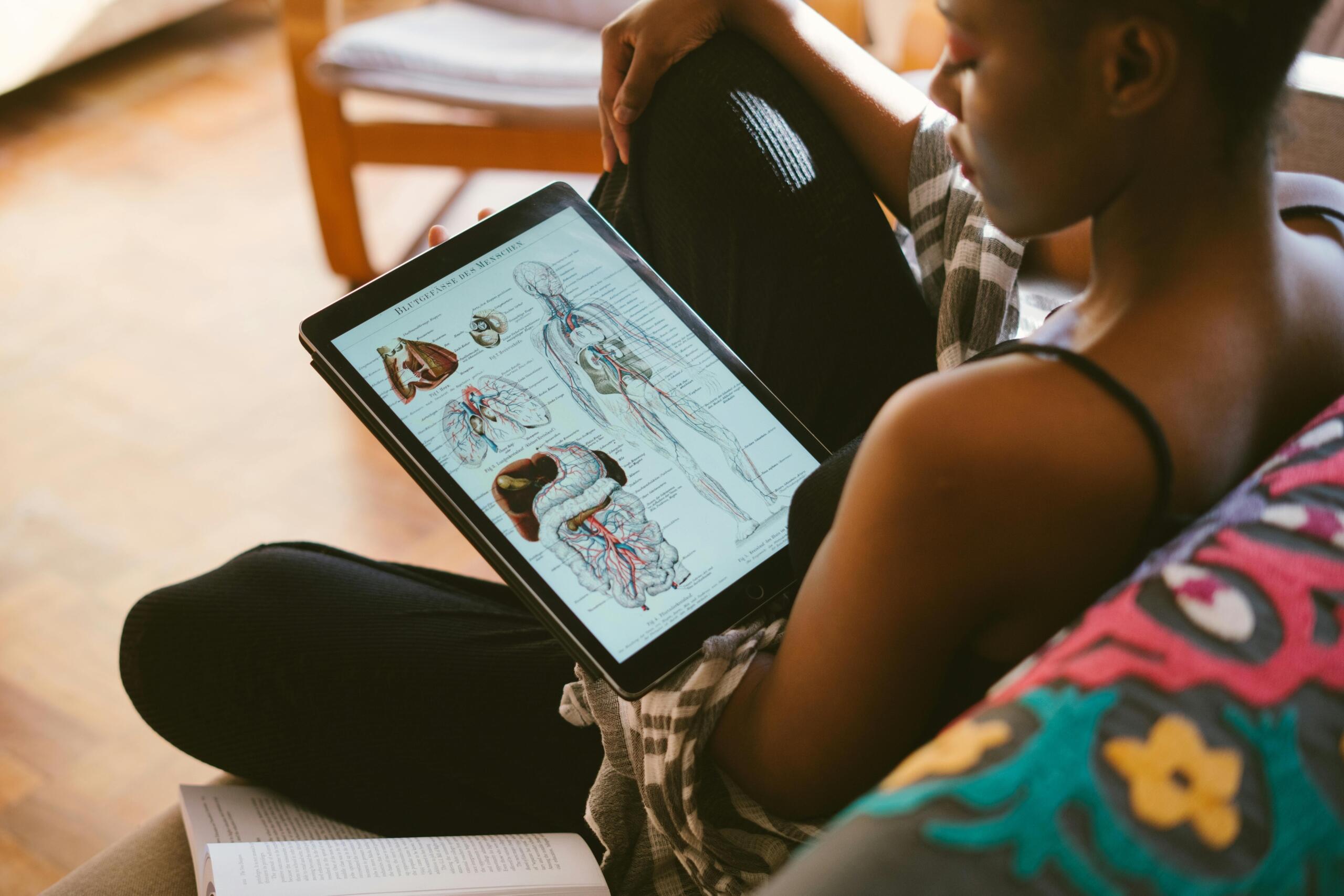
Ultimately, bear in mind that each university has its own set of requirements, but many also use the National Benchmark Tests (NBTs) as part of their admissions process. This is a standardised assessment that helps the institution fairly compare applicants from different schooling systems.
If you want to learn more about online medical classes, then read our other article in this series.
So, Where Can I Study Medicine in South Africa?
We touched on it, but if you're wondering, where can I study medicine as an international student in South Africa, here are more details about some of the most prominent institutions that offer medical degrees:
These universities offer internationally recognised medical degrees in South Africa that can serve as a springboard to postgraduate study or clinical practice elsewhere.
The Structure of Medical Degrees in South Africa
South Africa offers a 6-year Bachelor of Medicine and Bachelor of Surgery (MBChB) degree, which is the standard qualification required to become a medical doctor. It combines academic coursework with clinical rotations in hospitals and health centres.
Year one and two focus heavily on theory: anatomy, physiology, biochemistry, and public health. From year three onwards, students begin to enter clinical environments, progressively building their competence in real-world settings. The final year is often described as an “internship year” within the university’s affiliated hospitals.
Bear in mind that because of South Africa’s diverse population and unique disease burden, students gain broad exposure to a range of medical conditions, from infectious diseases like HIV and TB to chronic illnesses and trauma care. This means that if you are one of the graduates of medical degrees in South Africa you will be clinically well-rounded and ready for high-pressure environments.
Private Options and Specialised Support
For international students wondering whether there are more flexible study arrangements, it’s worth noting that some institutions and centres offer private medicine classes. These can include bridging courses, preparatory programmes, or supplementary tutorials that help students adapt to the South African academic system.
Private medicine classes are especially beneficial for international students who may need a little extra support in adjusting to the local curriculum, navigating medical terminology, or preparing for assessments such as the NBT. While they are not a substitute for the formal medical degree, they can be invaluable in helping students succeed.
The Application Process and Visa Requirements
The question of how to study medicine in South Africa wouldn’t be complete without addressing some of the logistics!
Once you’ve chosen your preferred short list of universities, the next step is to apply through each institution’s online portal. Here, application deadlines for medical studies typically fall around mid-year, so it’s wise to start preparing the year before.
If your application is successful, you’ll receive a conditional offer, often pending final results or the submission of additional documents. Once accepted, you’ll need to apply for a South African study visa, which includes proof of admission, a valid passport, medical reports, proof of financial support, and police clearance from your home country.
Remember that the visa process can take a few weeks, so early preparation is essential.
Some universities have dedicated international student offices to assist with this process, and their support is highly recommended.
The Cost of Medical Degrees in South Africa
Medical studies are a significant financial investment. Tuition fees for international students vary by institution, but you can expect to pay between R50 000 and R100 000 per year, depending on the university. Additional costs include accommodation, textbooks, medical equipment, and daily living expenses.
Luckily, many South African universities offer scholarships and bursaries specifically for international students. Bear in mind that these are usually merit-based, which is all the more reason to go for gold when it comes to your academic performance. Of course, it is also worthwhile to explore funding options from your home country or international organisations that support cross-border education.
Life Beyond Graduation
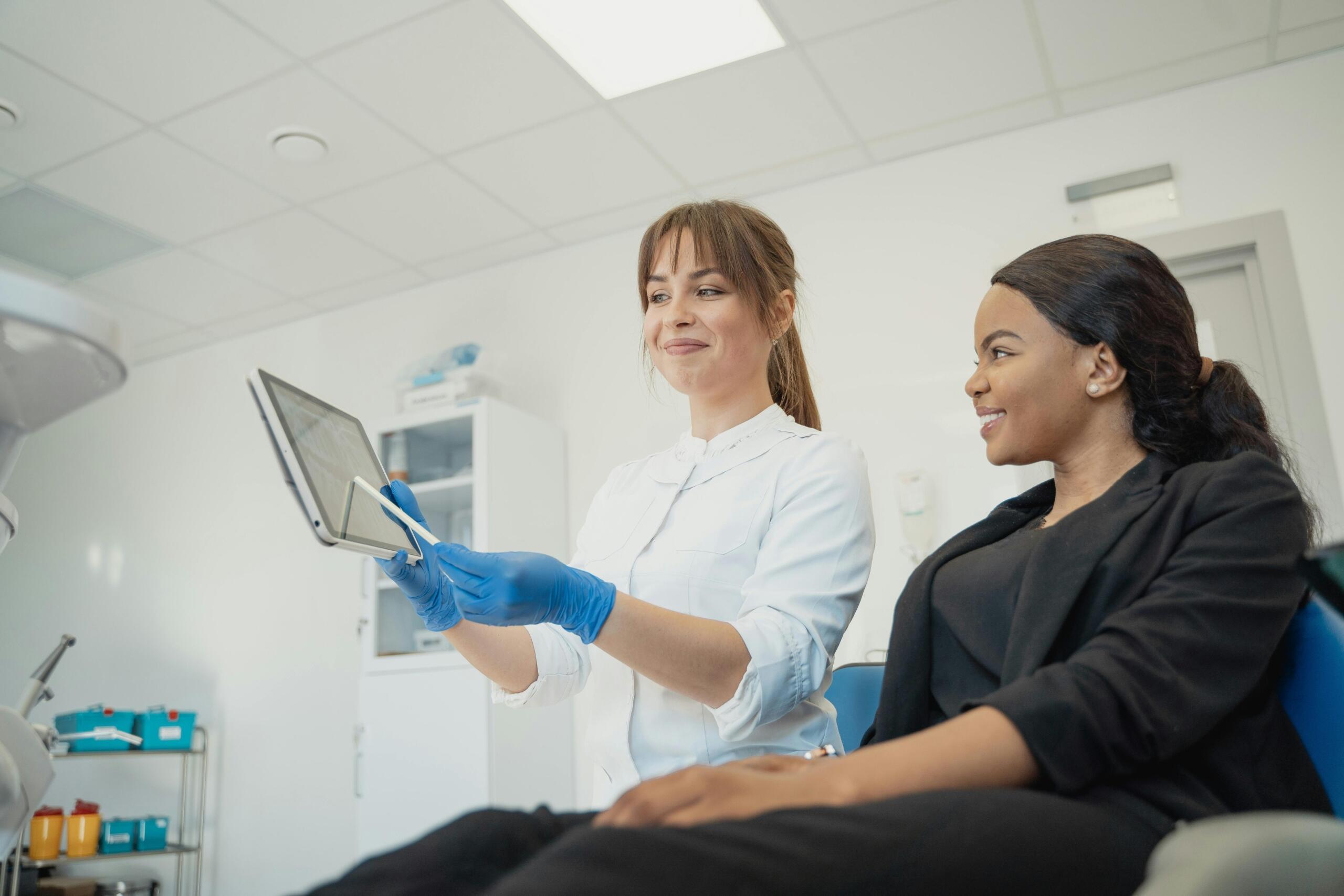
After completing your MBChB, as an international student you will have the option of applying for an internship in South Africa. However, local regulations and workforce demands mean that priority is usually given to South African citizens and permanent residents.
Still, some international graduates do stay on by securing internship placements in underserved rural areas. Alternatively, many return home and apply the skills learned in South Africa to their local healthcare systems.
If you choose to leave South Africa, be aware that medical degrees from South African universities are respected globally, but you may still need to complete licensing exams in the country where you intend to practise.
A Final Word of Advice
For international students considering whether they can study medicine in South Africa, the answer is an enthusiastic yes. But more than that, it’s a deeply rewarding journey. From gaining clinical exposure in one of the world’s most diverse healthcare systems to receiving mentorship from leading professionals, the experience is both academically rigorous and personally transformative.
If you're asking how to find a medical programme in South Africa, the first step is to research your options, ensure your academic results meet entry requirements, and be prepared to immerse yourself in an exciting and sometimes challenging educational environment.
As you weigh your decision, remember that South Africa doesn’t just offer a medical qualification, it offers a calling. A call to serve, to heal, to grow, and to connect with people in a meaningful way. Whether you’re attending lectures at UCT, engaging in clinical rotations at a public hospital in Johannesburg, or receiving one-on-one support through private medicine classes, your journey will be as rich and rewarding as the effort you put into it.
So, if you're still wondering where you can study medicine in South Africa, know that the answer lies not just in the name of the university, but in your readiness to embrace one of the most impactful careers of all in a country with heart, resilience, and an extraordinary medical tradition.
Summarise with AI:
Enjoyed this article? Leave a rating!

 Loading...
C’est très informatif et courageux