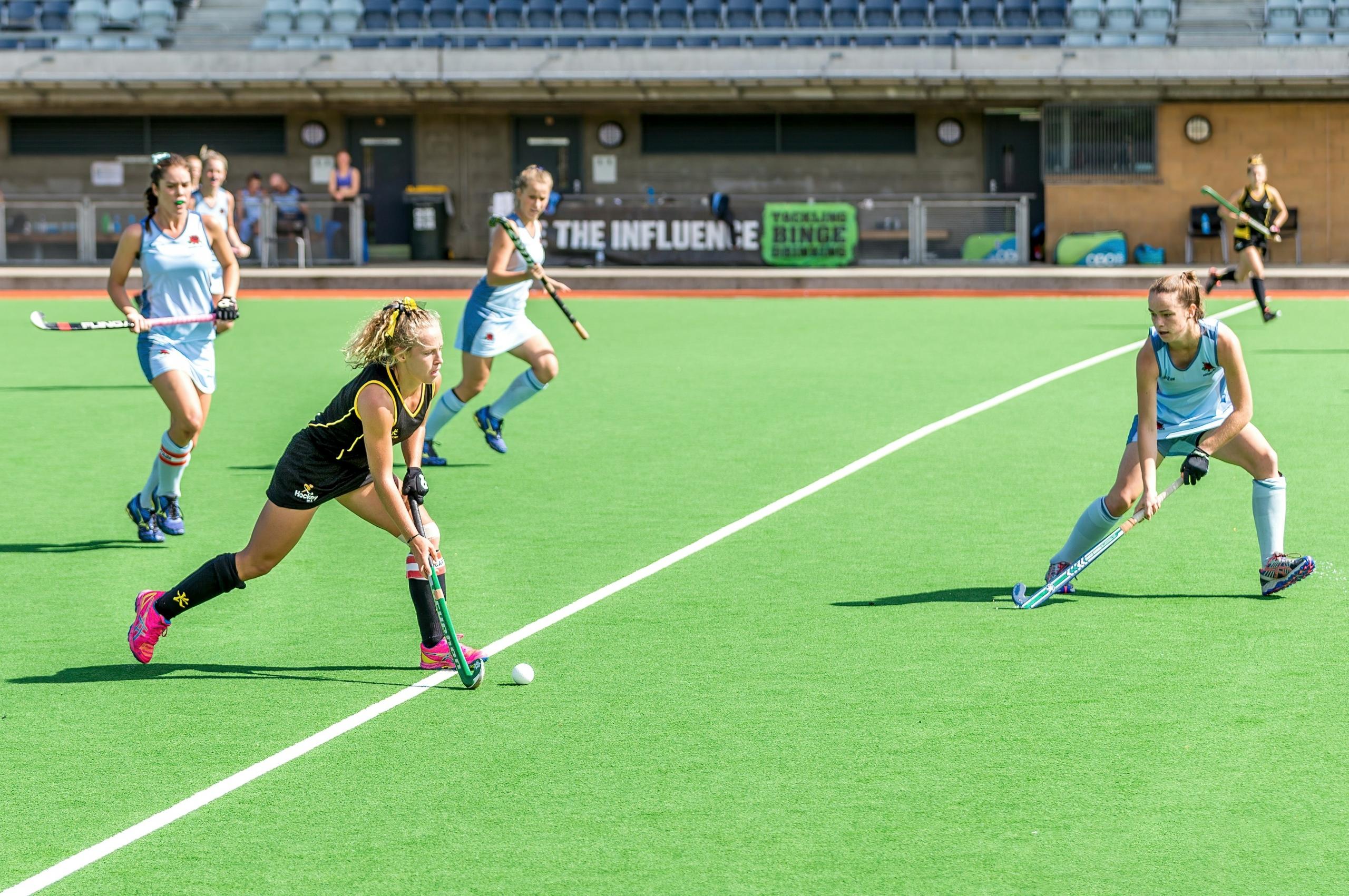

As an Olympic sport, hockey is thrilling for spectators, players and administrators and whatever your interest in it, one thing is for sure, understanding the role of each player makes the game more enjoyable. Apart from the rules, stick and hockey ball that you will need, understanding the responsibilities of field hockey player positions is crucial for effective teamwork and gameplay.
Remember that while the basics may seem easy for hockey beginners, the journey to mastery lies in honing the specialised techniques inherent to each position. This is where specialised hockey lessons that focus on how hockey positions should work together, can up your skills and get you ready for higher levels of competition.


First Things First: Learn the Rules and Markings on Hockey Field
In addition to your stick and hockey ball, consider the importance of the field markings to understand positions and game flow, as important as your equipment. A field hockey field is marked with several key lines and markings. The sidelines run along the length of the field, backlines mark the width at each end and the halfway line divides the field into two halves.
Circle markings indicate the positions for penalty corners (more about those later) and are placed at both ends. There are also 23-meter lines, marking the area where penalty corners are defended. Dotted lines in front of the goal signify the shooting circle, where goals are scored.
Let's explore each position more closely.
The Goalkeeper
The goalkeeper is the last line of defence, tasked with preventing the opposing team from scoring goals. Their primary responsibility is to defend the goal by stopping shots using their stick, pads, and body. Goalkeepers must have quick reflexes, agility, and excellent hand-eye coordination to make saves and organise the defence.
Fullbacks
Fullbacks play a defensive role, positioned in front of the goalkeeper to intercept passes and block shots from the opposing team. They are responsible for marking opposing forwards, clearing the ball out of the defensive zone, and initiating attacks by distributing the ball to midfielders or forwards.
Sweeper
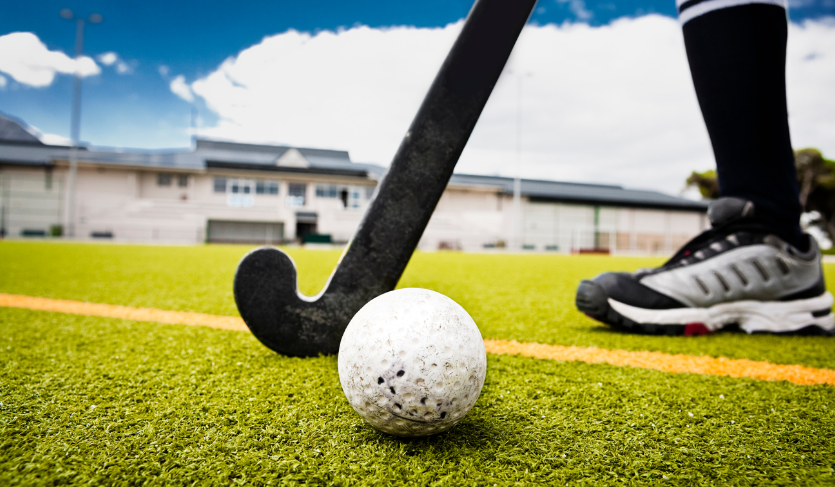
The sweeper is a defensive player positioned behind the fullbacks who provide additional support to the defence. Their primary role is to sweep or clear any loose balls or rebounds that penetrate the defensive line. The sweeper also acts as a last line of defence, covering gaps and supporting the goalkeeper.
Halfbacks
Halfbacks play a transitional role that links the defence with the offence and facilitates ball movement through the midfield. They are responsible for controlling the midfield area, intercepting passes, and distributing the ball to forwards or fullbacks. Halfbacks must possess good passing, dribbling, and defensive skills.
Midfielders
Midfielders are versatile players positioned in the middle of the field who are responsible for both defensive and offensive duties. They play a pivotal role in controlling possession, orchestrating attacks, and breaking down the opponent's defence. Midfielders must have exceptional stamina, vision, and passing accuracy to dominate the midfield battle.
Forwards
Forwards are offensive players positioned near the opponent's goal and tasked with scoring goals and creating scoring opportunities. They must possess speed, agility, and goal-scoring instincts to penetrate the opposing defence and capitalise on scoring chances. Forwards often use their stick skills to dribble past defenders to play shots into the goal.
Right Wing
The right-wing is an attacking position responsible for providing width and pace on the right side of the field. They work in tandem with the right midfielder and forward to create overlaps, deliver crosses into the penalty area, and support goal-scoring opportunities. Right-wingers must have speed, dribbling ability, and crossing accuracy.
Left Wing
Similar to the right wing, the left wing provides attacking support on the left side of the field. They play an important role in challenging the opponent's defence, creating space, and delivering crosses or passes to forwards in scoring positions. Left-wingers must possess speed, agility, and strong stick skills.
Centre Forward
The centre forward is the primary goal-scoring threat and playmaker in the attacking line. They operate in the central area of the field, leading the attack, and positioning themselves to receive passes from midfielders or wingers. Centre forwards must have strong shooting ability, aerial prowess, and the vision to create scoring opportunities.
Centre Half
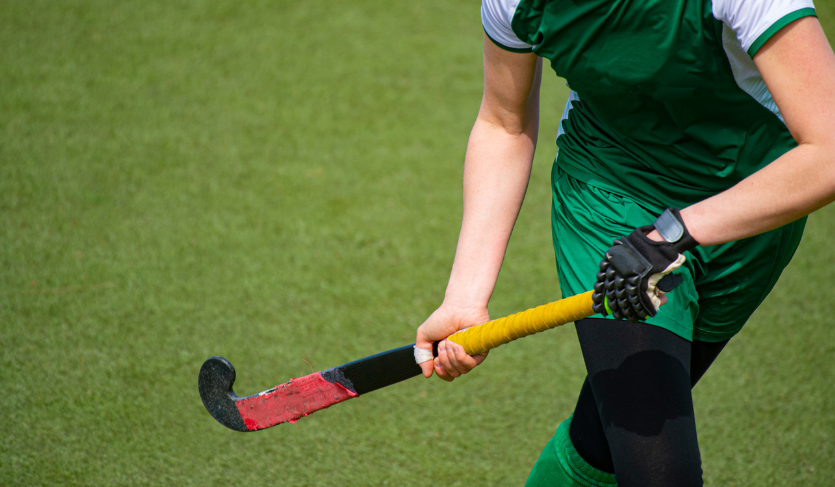
The centre half is a key player for both the defence and midfield, providing stability and control in the centre of the field. They act as a link between the defence and the attack by distributing the ball, breaking up opposition plays, and organising the team's formation. Centre halves must have excellent positional awareness, passing accuracy, and tackling ability.
Right Half (RH) and Left Half (LH):
The right half and left half positions are responsible for providing support and balance in the midfield. They work alongside the centre half and midfielders to control possession, disrupt opponent's attacks, and provide passing options. Right halves and left halves must possess good defensive skills, and passing ability, and work hard to contribute effectively to both the defence and attack.
All field hockey players' positions play a unique role in shaping the team's strategy and performance on the field. Through understanding the responsibilities and characteristics of each position, players can excel in their roles and contribute to the team's success. There is no doubt that quality lessons that help you to understand your role on the hockey field by teaching you how hockey positions work cohesively to break down the opponent's defences and harness your own strengths.
Penalties and Field Hockey Player Positions
After understanding the different hockey positions, understanding the rules of hockey is vital for player development. In addition, understanding that penalties and rules are intertwined, makes it even more important to get hockey lessons from a skilled coach. For the theory of penalties, leave your stick and hockey ball behind as you learn about concepts like the Free Hit, awarded for fouls outside the semi-circle, and Corners, granted for offences within the scoring circle. There are also penalty Strokes given to the opposition for fouls preventing a goal. In short, hockey lessons that explain the relationship between penalties and player positions are vital.
On the Pitch and Beyond
The Job of Umpires
Again, the link between umpiring and field hockey player positions cannot be separated. In your hockey lessons, besides learning the game and rules, you will need to understand the role played by the umpire so that you can anticipate whistle meanings and umpire reactions. This training should cover penalties and hand signals like the green card (warning), yellow card (player removal for 5 minutes), and red card (disqualification).
Investing in the Right Hockey Gear
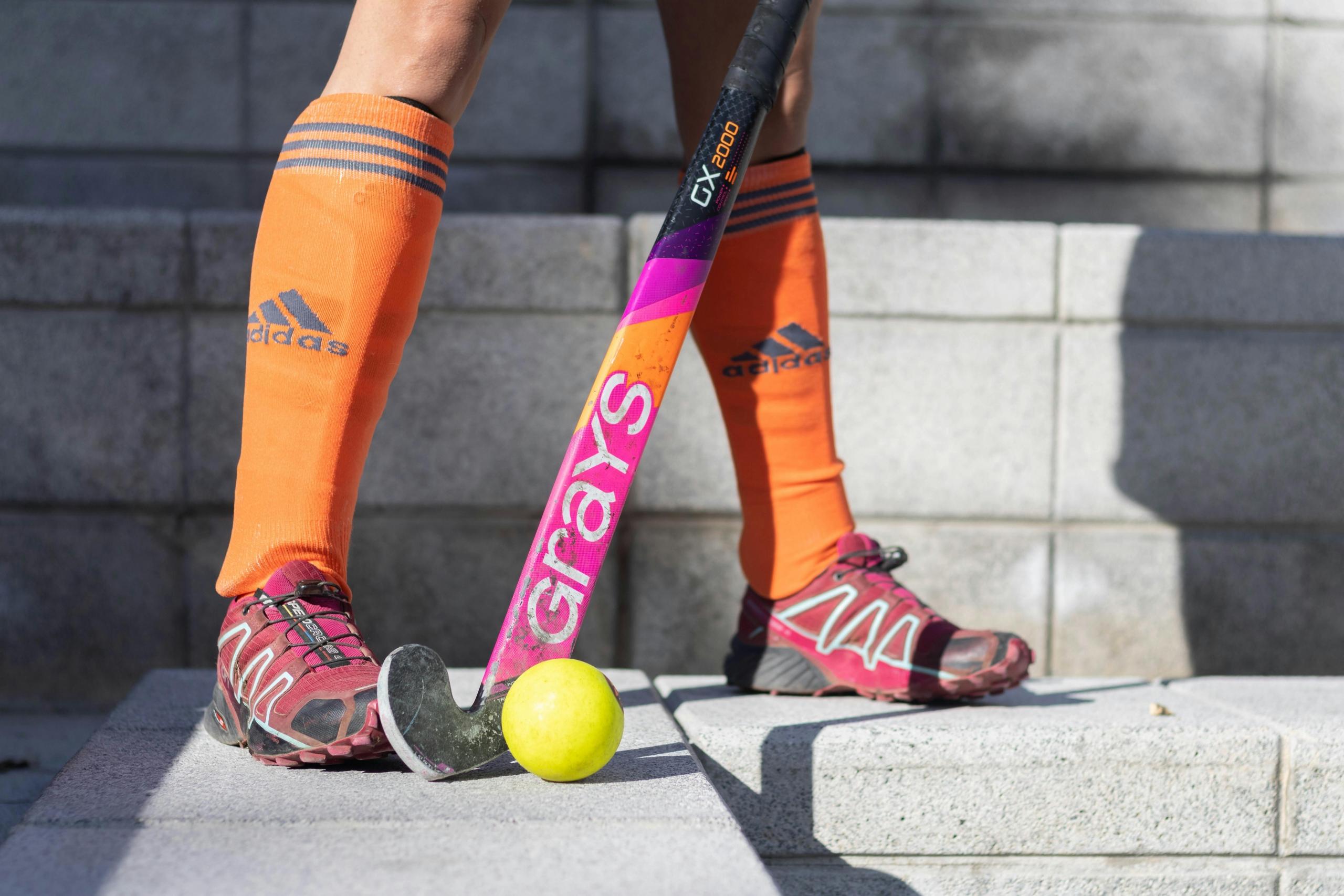
Besides your hockey lessons and understanding the all field positions and hockey rules, you will need to invest in gear like a hockey ball, a properly sized stick and boots with ankle support. Protective gear like elbow pads, shin guards, and gloves are also helpful. As you advance you will find that intermediate players can upgrade for better performance, while advanced players benefit from high-performance equipment recommended by their coach.
Do you know all the advantages of playing hockey?
The Value of Private Hockey Lessons
Investing in proper hockey gear is essential, but so is understanding your role on the hockey field.
Here, one-on-one instruction with a hockey coach offers tailored guidance, immediate feedback, and reinforcement of your strengths, all of which enhance learning retention and offer long-term results. There is no doubt that this approach, not only benefits solo sportsmen and women like those who participate in tennis or surfing, but also team players of all skill levels, including sports like hockey.
The trick, however to all one-on-one coaching or tutoring is to find the right coach for you. And this is where Superprof offers excellent solutions and many benefits.
Firstly, the credibility, expertise and qualifications of all tutors and coaches are pre-verified for your peace of mind. In addition, the site's easy location tool simplifies finding local lessons, while also allowing for online learning from tutors and coaches who are based all over the world.
Finally, using Superprof has the added advantage of hosting tutors who believe in offering free first lessons. This can help to establish the level of compatibility between a student and teacher and provide an opportunity for discussing goals, strengths and weaknesses. So whether you are aiming for professional leagues or seeking recreational enjoyment, Superprof can boost your confidence and performance with affordable, and results-driven coaching that can help you to understand field hockey player positions and elevate your game.
Summarise with AI:
Enjoyed this article? Leave a rating!

 Loading...