

So, you’ve just graduated as an engineer – now what?
Completing an engineering degree is a huge achievement, but even with all the essential skills for engineers under your belt, you may be wondering what comes next. Regardless of whether you studied mechanical, civil, electrical, or any other type of engineering, stepping into the reality of the working world can still feel a bit overwhelming. Not only that but because engineering is such a broad and dynamic profession with many exciting opportunities, to stand out, you need more than just a degree.
But what exactly?
In this guide, we will not only unpack the essential skills for engineers and answer the question what do engineers do in the real world, but we’ll also look at the different engineering fields to help you chart your path forward.


Understanding the Role of an Engineer
So, what do engineers do?
In simple terms, engineers solve problems.
They design, build, and maintain systems, structures, and technologies that keep the world running. From constructing skyscrapers to developing cutting-edge AI, engineering impacts nearly every aspect of modern life.
Depending on the type of engineering that you choose, your day-to-day tasks might involve designing blueprints, working with computer simulations, testing materials, managing projects, or even liaising with clients.
Having said this, despite the various engineering fields available, there are a few must-have skills that every professional engineer should have in common.
5 Essential Skills for Engineers in South Africa
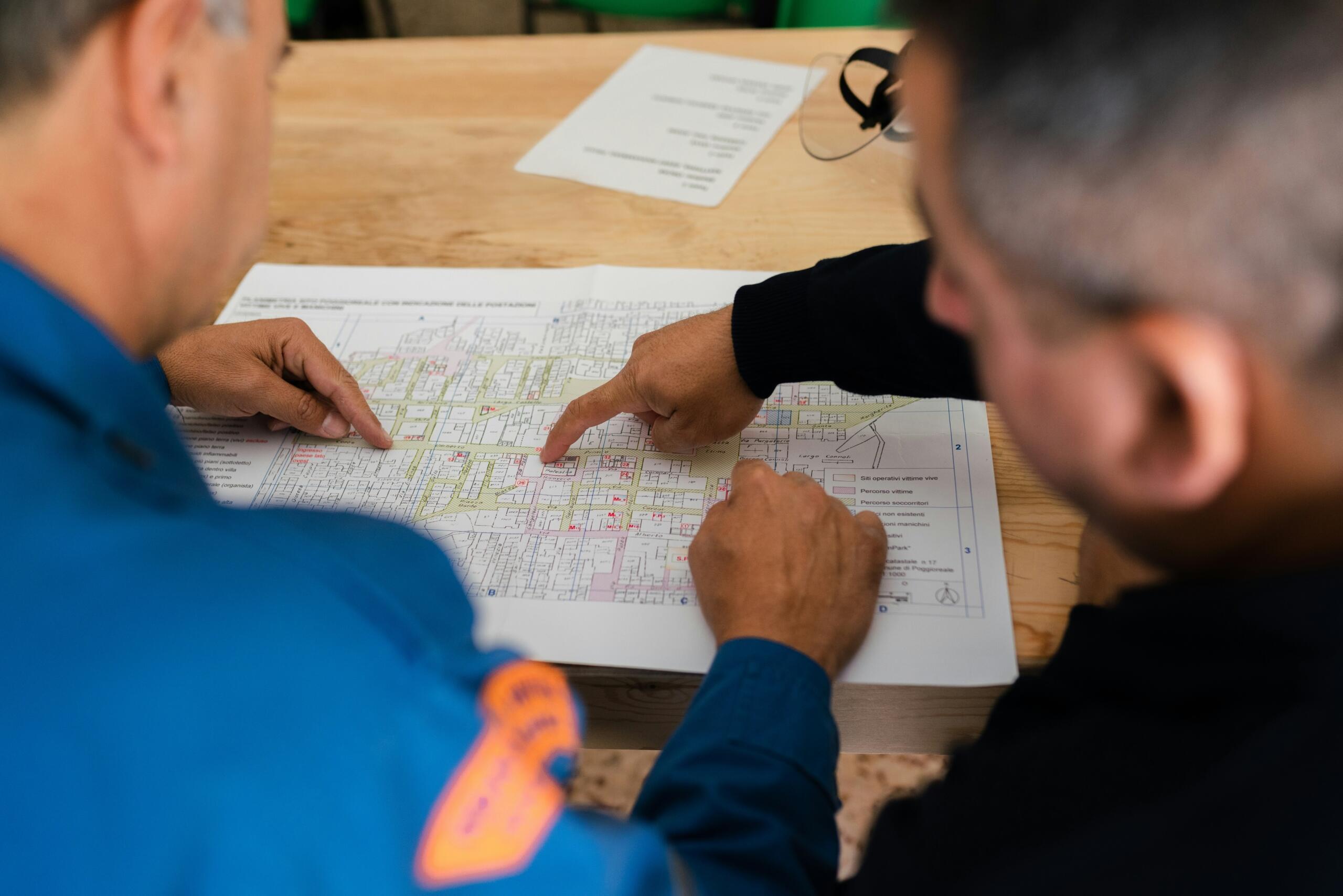
Engineering is a technical industry that requires a high level of technical acumen and expertise. Let’s take a look at what these are:
Technical Expertise and Specialised Skills
The foundation of your technical skills might vary according to the type of engineering you choose, let’s look at the requirements for each field.
- As a mechanical engineer you will need to master computer-aided design (CAD) software and have an excellent grasp on processes required for manufacturing.
- If you are plan on a career in civil engineering, you will need high level expertise in structural analysis, urban planning and sustainable design.
- As an electrical engineer, you will need proficiency in automation, circuit design and renewable energy systems.
Regardless of your engineering field, you’ll consistently need to stay up to date with new technology and this will become part of your job forever especially as technologies constantly evolve. Don’t forget that you will also need to use your technical ability to collaborate with many teams during the course of a project. From dealing with clients or client liaison executives, to architects, planners and builders, engineering is certainly a career that requires team work.
Problem-Solving and Critical Thinking
If you had to ask an experienced engineer: what do engineers do on a daily basis, there’s a good chance that you will hear, “we solve problems.” This is because engineers are trained to break down complex challenges, analyse possible solutions, and choose the most effective one.
For example, in South Africa industry faces unique challenges in infrastructure, energy, and water management. Here, engineers play a key role in developing solutions, whether those are designing more efficient solar panels or creating sustainable housing solutions. To do this, critical thinking is a key approach which helps people to work on problems methodically and to weight costs, time and materials before making decisions.
There’s no doubt that while it is a skill that grows with experience, it starts with a mindset for curiosity, logic and continuous improvement.
Creativity and Innovation
Engineering isn’t just about numbers and calculations – it’s also about creativity! It is no coincidence that the best engineers think outside the box to develop innovative solutions to real-world problems.
Take the development of green energy in South Africa as a prime example where engineers working in renewable energy have had to design wind and solar farms that suit the country’s climate and geography. So, whether you’re designing a new product or improving an existing one, creativity is an essential part of an engineer’s skillset.
One way to enhance your creativity is to look at projects outside of your day to day engineering field. For example, a mechanical engineer working with AI or a civil engineer experimenting with smart materials can lead to groundbreaking discoveries.
Communication and Teamwork
We have already touched on collaboration and team work, but this is a concept worth emphasising. In short, even if you are a technical genius, but can’t communicate your ideas effectively within small or large teams, unfortunately your career will hit a ceiling. In reality, engineering is rarely a solo job – bear in mind that you will work with teams, clients, and stakeholders who may not have technical backgrounds.
Being able to explain complex concepts in simple terms is a valuable skill. Whether it’s presenting your designs to a client, writing a report for your boss, or collaborating with a diverse team, strong communication skills make a huge difference.
In addition, South Africa’s engineering landscape is diverse, with professionals from different cultures, backgrounds, and expertise levels. Being able to work effectively in teams and respect different viewpoints will make you a stronger, more adaptable engineer.
Adaptability and Lifelong Learning
The engineering world is changing fast. New materials, software, and technologies are constantly emerging, and to stay relevant, you need to keep learning.
One only needs to look at the past decade where fields like artificial intelligence, blockchain, and 3D printing have revolutionised traditional engineering fields. The truth is that, when it comes to essential skills for engineers, if you’re not adapting, you run the risk of falling behind.
South African engineers also face unique industry shifts. As the focus on renewable energy, urban development, and digital transformation continues to grow, it makes sense that if you stay ahead of trends, you will have a competitive edge within the job market.
One way to develop this skill is through mentorship or by taking extra courses in emerging technologies. Whether it’s learning a new programming language, mastering an advanced design tool, or gaining certification in project management, continuous learning is key to a successful career in engineering.
Choosing the Right Engineering Field

If you're still unsure which type of engineering suits you best, here’s a quick breakdown of some of the most common engineering fields in South Africa:
Remember that each branch of engineering offers unique opportunities and specialisations so choosing the right path depends on your interests, strengths, and long-term career aspirations. Whether you're passionate about designing infrastructure, advancing technology, or working with cutting-edge machinery, if you have the essential skills for engineers there’s a sector suited to your ambitions.
Build a Bright Future
A degree in engineering is just the start of your journey. Whether you’re a recent graduate or already working in the industry, developing these essential skills for engineers will help you thrive in any engineering career.
From mastering technical expertise to thinking creatively, communicating effectively, and staying adaptable, these skills will set you apart in the job market. And remember – no matter which type of engineering you pursue, continuous learning is key!
Looking for extra support? Platforms like Superprof offer engineering tutors who can help sharpen your skills, whether in CAD software, programming, or preparing for certification exams. By investing in your skills and staying current, you will ensure a strong fulfilling career where you are always in demand!
Summarise with AI:
Enjoyed this article? Leave a rating!

 Loading...